South Africa Car Rental Guide 2026: Costs, Rules & Road Tips
Renting a car in South Africa in 2026? Compare vehicle-class pricing, age and licence rules, insurance options, toll info, and must-pack gear for adventurers.

This post may contain affiliate links. Disclosure
South Africa’s wild coastline, rugged mountain passes and endless savanna make it a playground for anyone who lives for the next adrenaline rush. Whether you’re chasing the surf at Jeffreys Bay, scaling the Drakensberg cliffs, or overlanding the Garden Route, a reliable set of wheels is the backbone of every expedition. In 2026 the rental market is mature, the price bands are transparent, and ten major operators - from Avis and Hertz to local names like Bidvest and Sani Car Rental - offer a full spectrum of vehicles. This guide lays out exactly what you need to know before you grab the keys and chase the next epic line.
Short answer: South Africa’s minimum rental age is 23, and drivers aged 23-25 pay a young-driver surcharge worth budgeting 10-15% extra for. You need a credit card in your own name (no prepaid cards) and an International Driving Permit if your licence is not in English. Economy cars start near R236, roughly $13 a day.
Driver Requirements & Documentation
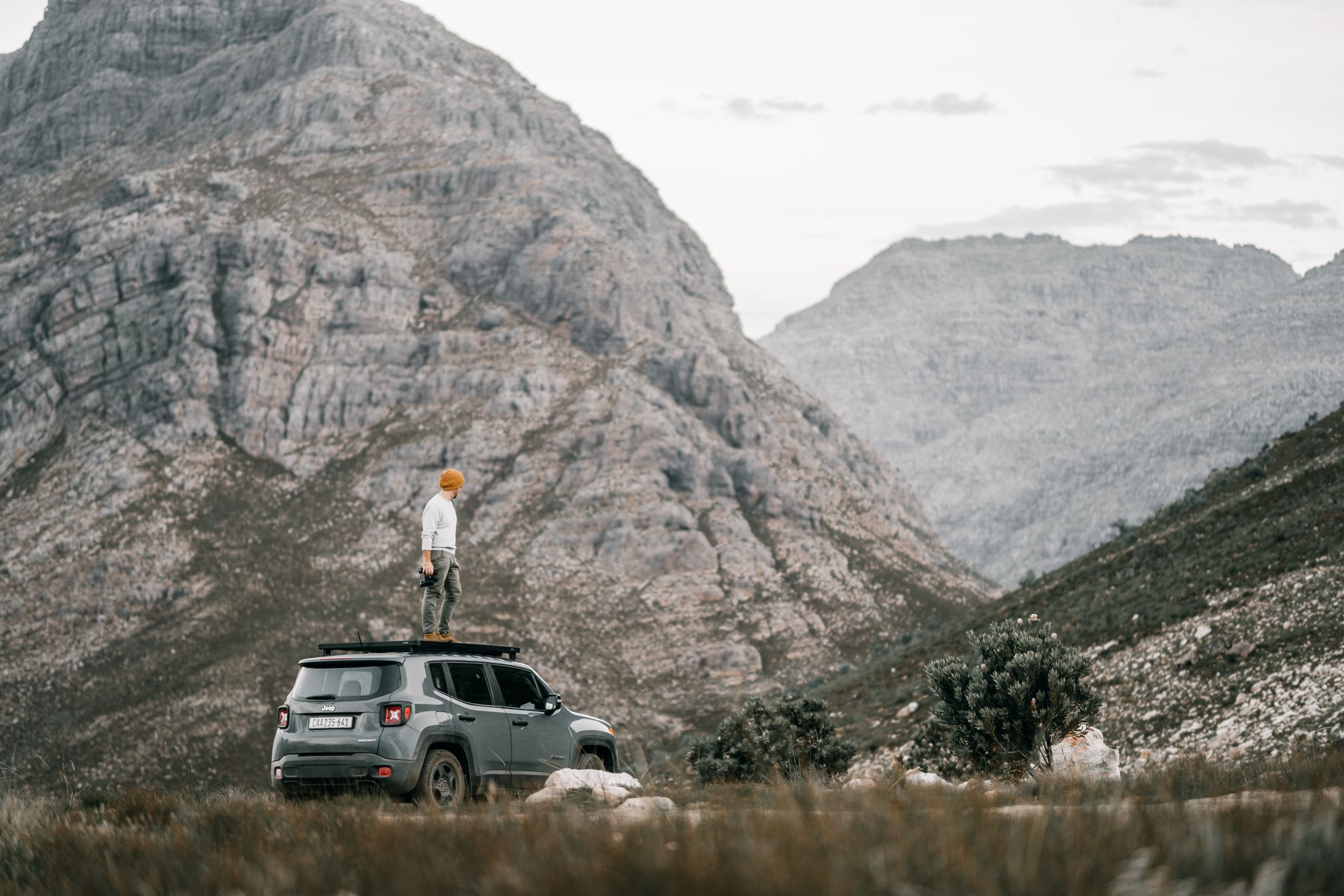
South Africa’s rental firms are strict about who can take the wheel. The minimum age is 23; anyone younger is turned away outright. Drivers aged 23-25 will usually see a young-driver surcharge added to the daily rate, so budgeting an extra 10-15% is wise. The sweet spot is 25+, where you avoid that extra fee and often get a better vehicle selection.
A valid driver’s licence is non-negotiable. If your licence isn’t in English you’ll need an International Driving Permit (IDP) to satisfy the agencies’ policy. All credit cards must be in the renter’s name; Visa, MasterCard and American Express are accepted across the board. Debit cards work too, but expect a processing fee. Pre-paid cards are a no-go, so keep a proper credit line handy.
Don’t forget your passport and a proof of address (utility bill or bank statement) - many desks will ask for them at pick-up. A quick tip: request a paper copy of the rental agreement in addition to the digital one; it’s invaluable if you need to file an insurance claim while you’re off-grid. If you want a side-by-side rundown of which operator fits your route best, Lifestyle Hunter’s comparison of Cape Town and Johannesburg rental companies is worth a read before you commit.
Cost Breakdown by Vehicle Class
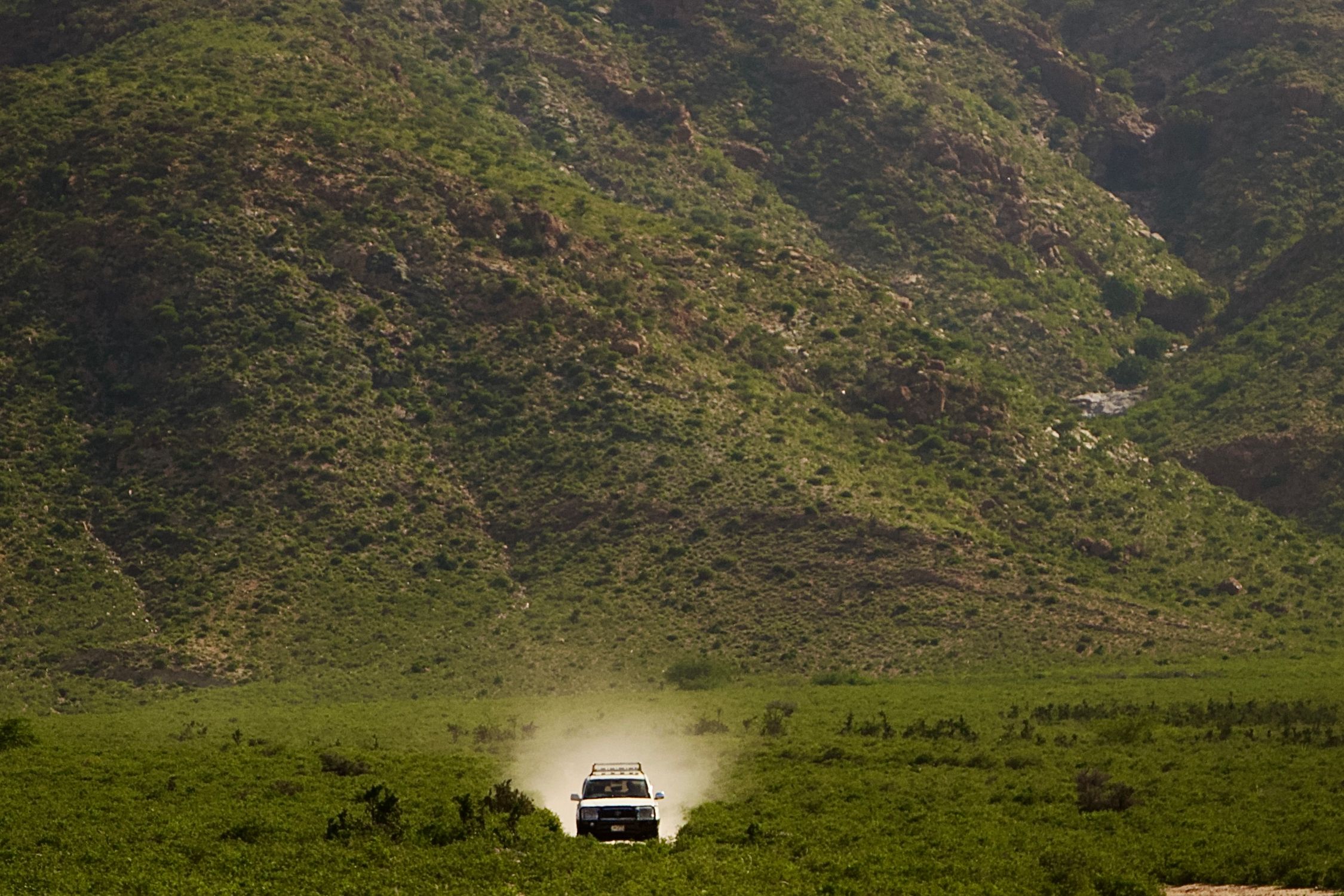
South Africa’s rental pricing is surprisingly competitive, especially when you compare it to Europe or North America. According to Kayak’s Johannesburg car-hire price list, the daily rates sit in three clear bands:
| Class | Daily Rate (ZAR) | Approx. USD* |
|---|---|---|
| Economy | ~R236 | $13 |
| Compact | R277-R322 | $15-$18 |
| SUV / 4x4 | R385-R579 | $21-$32 |
*USD conversion based on the 2026 average exchange rate.
Economy cars are perfect for city hopping - Johannesburg, Cape Town, Durban - where you’ll spend most of your time on tarred highways. Compact models give a little extra cargo room for surfboards or a climbing rack without breaking the bank. SUVs and 4x4s start at R385 per day and climb to R579 for the higher-end models, per Kayak’s Johannesburg SUV listings; they’re the go-to for the Garden Route’s occasional gravel sections, the Drakensberg passes, and any off-road detour you might plot.
When you’re ready to lock in a price, head to DiscoverCars. The platform aggregates the rates from all ten major operators - from budget-friendly picks like Firefly and First Car Rental to global names like Avis, Budget and Hertz - letting you compare the exact daily cost, mileage limits and any included extras in one screen. Booking early - especially for the high season (December-January, Easter) - secures the lower end of the band and often nets a free GPS or child seat.
Insurance Essentials

Every rental in South Africa includes basic third-party liability insurance - the legal minimum that covers damage you cause to other vehicles or property. This coverage is baked into the daily rate you see on Kayak, so you won’t see a separate line item for it.
Most agencies also push an optional Collision Damage Waiver (CDW) or Loss Damage Waiver (LDW). Adding this reduces your out-of-pocket exposure if the car gets a dent, a flat tyre, or worse. The waiver typically comes with a deductible (often R2,000-R5,000) that you’ll still be responsible for, unless you purchase a Zero-Deductible add-on. For adventure travel, the extra $10-$15 per day is worth the peace of mind, especially when you’re navigating gravel roads where rock chips are common.
If you already own a personal travel insurance policy that covers rental cars, double-check the fine print. Some policies only cover “collision” and not “theft” or “damage to the rental vehicle itself.” In those cases, the CDW/LDW remains a smart safety net. Basic liability won’t reimburse a cracked windscreen from gravel spray or a fender-bender on a switchback, so treat the waiver as part of your trip budget rather than an optional extra once your route leaves the tarred N-roads. Photograph the vehicle from all four corners before you drive off, and keep those timestamped images alongside your paper rental agreement - together they’re your strongest evidence if a damage dispute ever comes down to your word against the counter agent’s.
Road Realities & Toll System
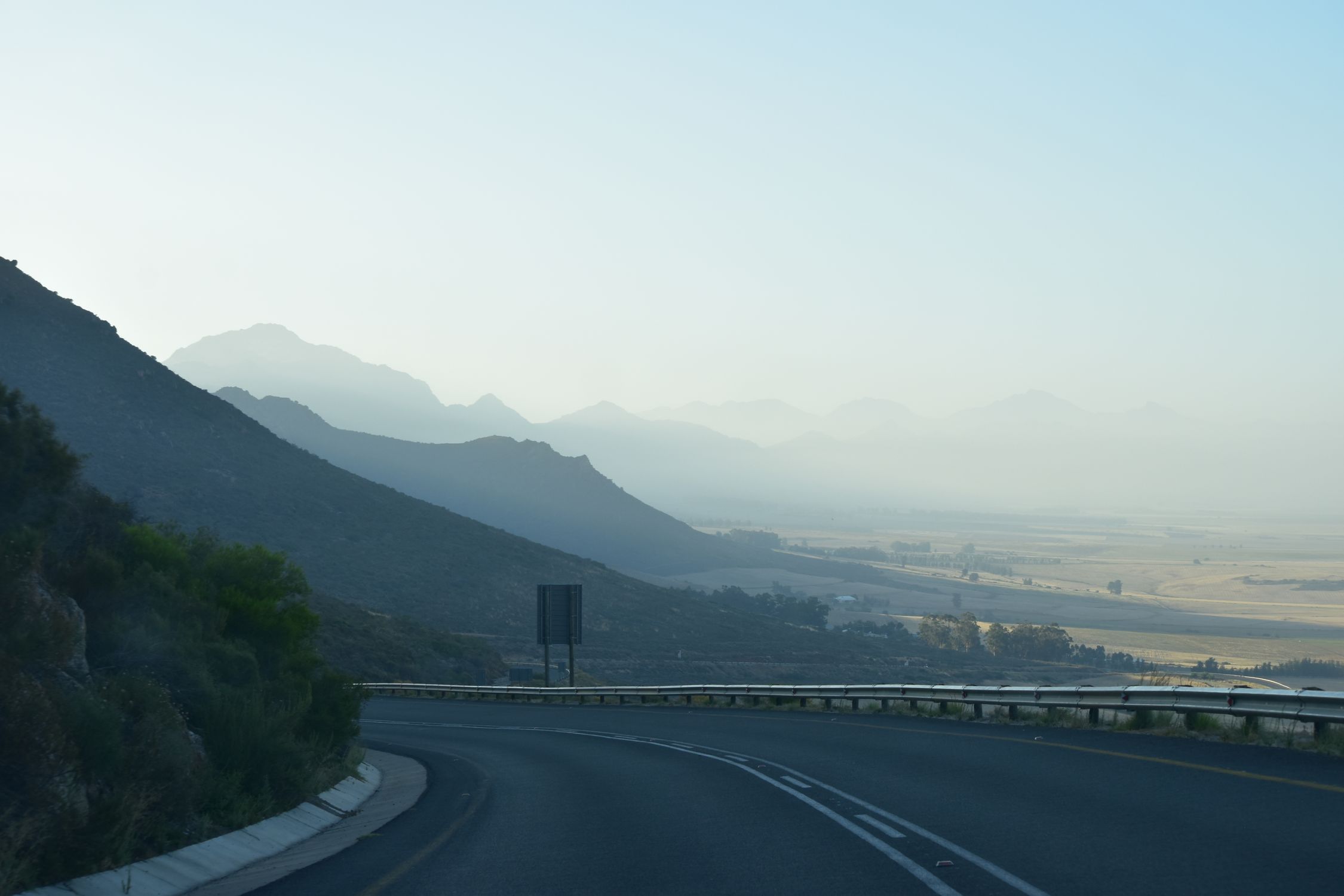
South Africa’s N-series highways (N1, N2, N3, N4, N7) are world-class tarred roads, well-maintained and signposted in both English and Afrikaans. They’re the arteries that connect Johannesburg to Cape Town, Durban to the Drakensberg, and the Garden Route’s coastal stretch. For the majority of your mileage, a compact or economy car will glide smoothly.
The adventure lies off the highway. Rural routes - think R-roads that thread through the Karoo, the Wild Coast, or the interior game reserves - are often gravel or dirt. A high-ground clearance vehicle (minimum 180mm) is advisable; many 4x4s offer 200mm or more. If you’re hauling surfboards, climbing gear, or a rooftop tent, an SUV gives you both clearance and cargo volume.
South Africa operates an electronic e-Tag (e-toll) system on the N1, N2, N3 and N4 toll plazas. You have two options:
- Pre-pay a disposable e-Tag at the rental desk (most agencies will add a small handling fee).
- Pay cash at the toll booth - available at a limited number of plazas, but expect queues.
The South African National Roads Agency (SANRAL) manages the toll network and publishes current rates on its site. Forgetting to top up your e-Tag can result in a penalty invoice sent to your home address weeks later, so treat it like a fuel card.
Pro Tips for Adventurers

-
Airport pick-up beats city centre - Both Johannesburg OR Tambo and Cape Town International host 24-hour rental desks. Arriving early? The agents can have a car pre-ready, saving you the scramble for a shuttle or taxi.
-
Ask for a spare tyre, jack and basic recovery kit - Most 4x4 hires already include them, but it never hurts to confirm. A shovel, snatch strap and a high-lift jack can be lifesavers on a remote gravel pass.
-
Plan your fuel stops - While the major highways have stations every 50-80km, the interior can have gaps of 150km or more. Fill up whenever you see a pump; running on empty in the Karoo is a cold-night nightmare.
-
Toll budgeting - A typical north-south traverse (Johannesburg to Cape Town) racks up roughly R300-R400 in tolls. Add this to your daily budget; the e-Tag will auto-deduct, but keep a credit card with enough limit.
-
Gear storage hacks - Roof racks are common on SUVs; secure your surfboards or climbing packs with ratchet straps. Inside the cabin, a collapsible cargo net keeps gear from shifting on winding mountain roads.
-
Safety first - South Africa has a high road-traffic fatality rate compared to many developed nations. Drive defensively, keep headlights on after dark, and avoid night travel on isolated routes. The South African Department of Transport provides up-to-date safety stats and advice, and the South African Tourism Board is the official first stop for travel advisories, visa rules and seasonal event calendars before you lock in your dates.
What to Pack
When you’re chasing cliffs, waves or remote valleys, the right wristwatch can be the difference between a smooth navigation and a missed summit. Below are three proven adventure GPS watches that pair well with a South African road trip.
-
Garmin fēnix 8 Solar Sapphire 51mm - The heavyweight champion of battery life, offering up to 149 hours of GPS on solar boost. Dive-rated to 40m, it’s perfect for surf-side dives and high-altitude climbs alike. The built-in LED flashlight and dual-frequency GPS give you confidence in canyon terrain and night drives. The trade-off: a premium price over $1,100 and an 89g build that’s heavier than some rivals.
-
COROS VERTIX 2S Adventure GPS Watch - A more affordable alternative that still delivers 118 hours of GPS and a 40-day smartwatch battery. Its titanium bezel and sapphire screen survive the harshest conditions, and the dual-frequency GPS nails your position in dense forest or rocky passes. It has a smaller third-party app ecosystem than Garmin and skips the built-in flashlight, but the accuracy is hard to beat at this price.
-
SUUNTO Vertical Adventure GPS Solar Watch - If you crave a larger screen and solar endurance, this watch offers a 60-day smartwatch battery with solar assist and 85 hours of GPS. It comes pre-loaded with free offline maps - handy when you lose cell coverage on the Drakensberg. The touchscreen can lag in cold conditions and heart-rate accuracy trails a dedicated chest strap, but for all-day route logging it holds its own.
Pick the model that matches your budget and the specific demands of your itinerary; any of them will keep you on track, log your routes, and survive the South African elements.
FAQ & Common Mistakes to Avoid
Q: Can I rent a car with a foreign licence that isn’t in English? A: Yes, but you must carry an International Driving Permit alongside your home licence. Rental agents will verify both at pick-up.
Q: Do I need an additional driver? A: Not required, but adding a second driver (usually for $5-$10 per day) can split mileage and fatigue, especially on long overland legs.
Q: Is insurance mandatory? A: Basic third-party liability is included, but CDW/LDW is highly recommended for adventure travel. Skipping it can leave you exposed to high repair costs.
Q: Which company should I book with? A: All ten major operators - Avis, Bidvest Car Rental, Budget, Dollar Rent A Car, Europcar, Firefly Car Rental, First Car Rental, Hertz, Tempest Car Hire and Sani Car Rental - run reliable fleets. The right pick usually comes down to whichever shows the best price-to-vehicle-class match on DiscoverCars for your dates.
Mistake #1 - Ignoring the e-Tag - Forgetting to activate or top-up your e-Tag leads to delayed toll invoices and possible penalties. Set it up at the desk and keep a small cash reserve for occasional cash-pay tolls.
Mistake #2 - Under-estimating vehicle clearance - A compact hatchback may look cheap, but gravel sections on the Garden Route or the Wild Coast can chew up low-clearance undercarriages. Opt for an SUV or a 4x4 when your route includes any unpaved roads.
Mistake #3 - Skipping the pre-rental inspection - Walk around the car, snap photos of any existing dents or scratches, and note the fuel level. This protects you from “damage” charges when you return the vehicle.
Mistake #4 - Driving at night in remote areas - Wildlife, livestock and unlit road hazards are common after dark. Plan to stop at towns or well-lit rest stops before dusk.
Mistake #5 - Not budgeting for fuel and tolls - Fuel prices hover around R22-R24 per litre (approx. $1.20-$1.30). Combine that with R300-R400 in tolls for a coast-to-coast trip, and you’ll see a noticeable impact on your daily budget.
By keeping these points front-of-mind, you’ll spend more time chasing waves, summits and sunsets, and less time dealing with paperwork or unexpected fees.
Related Reading
Get price-drop alerts and new guides from BoldTripGuide
One email a week: price drops on the gear we recommend, new guides, and what changed. No spam, unsubscribe anytime.