Heli-Skiing: Best Destinations and Is It Worth It 2026
Is heli-skiing worth the cost? Best heli-skiing destinations for 2026 including British Columbia, Alaska, Iceland, and New Zealand with prices and tips.

This post may contain affiliate links. Disclosure
Updated for 2026 — Accurate as of February 2026.
Heli-skiing is the most exclusive, most expensive, and most exhilarating form of skiing on the planet. A helicopter lifts you to the top of a remote mountain, drops you in waist-deep untracked powder, and you ski down terrain that would take hours or days to access by any other means. Then the helicopter picks you up at the bottom and does it again. And again. For the entire day.
The obvious question: is it worth the price? Heli-skiing packages range from 1,000 USD per day for budget operations in smaller mountain ranges to 15,000+ USD per day for premium lodges in British Columbia or Alaska. For many skiers, that is an entire season’s budget spent in a single week.
Having heli-skied across three countries and five trips over the past four years, the verdict is unequivocal: yes, it is worth it, at least once. The experience of skiing virgin powder on terrain that is both vast and inaccessible by any other means is genuinely life-changing. But whether you should prioritize heli-skiing over other ski experiences depends on your skill level, your budget, and what you are looking for.
This guide covers the best heli-skiing destinations in the world, what the experience actually involves, how much it really costs, and who it is (and is not) for.
What Heli-Skiing Actually Involves
A typical heli-skiing day looks like this:
6:30 AM: Wake-up call at the lodge. Breakfast. 7:30 AM: Safety briefing. Avalanche transceiver check. Group assignments. You ski in a group of 4-5 guests with one guide and one tail guide. 8:30 AM: First helicopter flight. The flight lasts 5-15 minutes and takes you to the top of a mountain that would require hours of skinning or hiking to reach. 8:45 AM - 3:30 PM: Skiing. A typical day involves 6-12 runs, with 3,000-6,000 vertical meters of descent. Between runs, the helicopter repositions to a new peak. Lunch is typically eaten in the field (a picnic in the snow or a hot lunch flown in by helicopter). 4:00 PM: Return to the lodge. Hot tub. Massage. Apres-ski. 7:00 PM: Multi-course dinner with wine. Stories from the day’s skiing.
The vertical skiing numbers are what make heli-skiing unique. A good day at a ski resort might yield 5,000-8,000 vertical meters if you ski hard. A good day of heli-skiing yields 4,000-6,000 vertical meters of untracked powder, meaning every single meter is through fresh snow on terrain you have never seen before.
British Columbia, Canada: The Birthplace and Gold Standard
British Columbia is the world’s heli-skiing capital. The province’s interior ranges — the Cariboos, Monashees, Selkirks, Purcells, and Bugaboos — receive massive amounts of dry, light powder snow and feature terrain that is perfectly suited to helicopter-assisted skiing: open alpine bowls, gladed forests, long fall lines, and terrain variety that keeps every run distinct. BC receives between 40 and 60 feet of snowfall per winter in the best areas, producing some of the deepest snowpacks in North America.
Revelstoke has earned the informal title of “heli-skiing capital of the world” for its consistently deep powder, massive terrain diversity, and concentration of operators. The town sits at the convergence of the Selkirk and Monashee ranges and receives weather systems from both the Pacific and the Arctic.
The industry was born here in 1965 when Austrian mountain guide Hans Gmoser founded Canadian Mountain Holidays (CMH) and began flying skiers into the Bugaboos. Today, BC hosts over 20 heli-skiing operations, ranging from intimate 10-guest lodges to large operations that host 40+ skiers per day.
Top BC Heli-Skiing Operations
CMH (Canadian Mountain Holidays): The original and the largest heli-skiing operator in the world. 12 lodges across BC, each with exclusive tenure over vast mountain areas. Packages from 8,000-15,000 CAD for 3-7 days, all-inclusive (helicopter, guiding, accommodation, meals, avalanche safety gear). CMH’s tenure areas total over 3 million acres.
Last Frontier Heliskiing: Based in the remote northern BC town of Bell 2, Last Frontier offers skiing in the Coast Mountains with some of the deepest snowpacks on the continent. Their terrain ranges from alpine glaciers to old-growth cedar forests. 3-day packages from 7,000 CAD. Their southern operation at Ripley Creek near Stewart features steeper, more rugged terrain.
Bella Coola Heli Sports: Operates in the Coast Mountains near the Pacific coast, where maritime snowpacks produce heavy, stable snow. Known for extreme terrain and expert-level skiing. 4-day packages from 8,500 CAD.
Northern Escape Heli Skiing: Based in Terrace, offering some of the most affordable heli-skiing in BC. 3-day packages from 5,000 CAD. The terrain is excellent and the operation is well-run, making it a strong value option.
Best season: December through April. January through March for the most reliable powder conditions. January is considered a secret gem by many guides — drier, lighter powder and usually more of it. Getting there: Most operations arrange transfers from regional airports (Revelstoke, Kelowna, Smithers, Terrace) or from Vancouver.
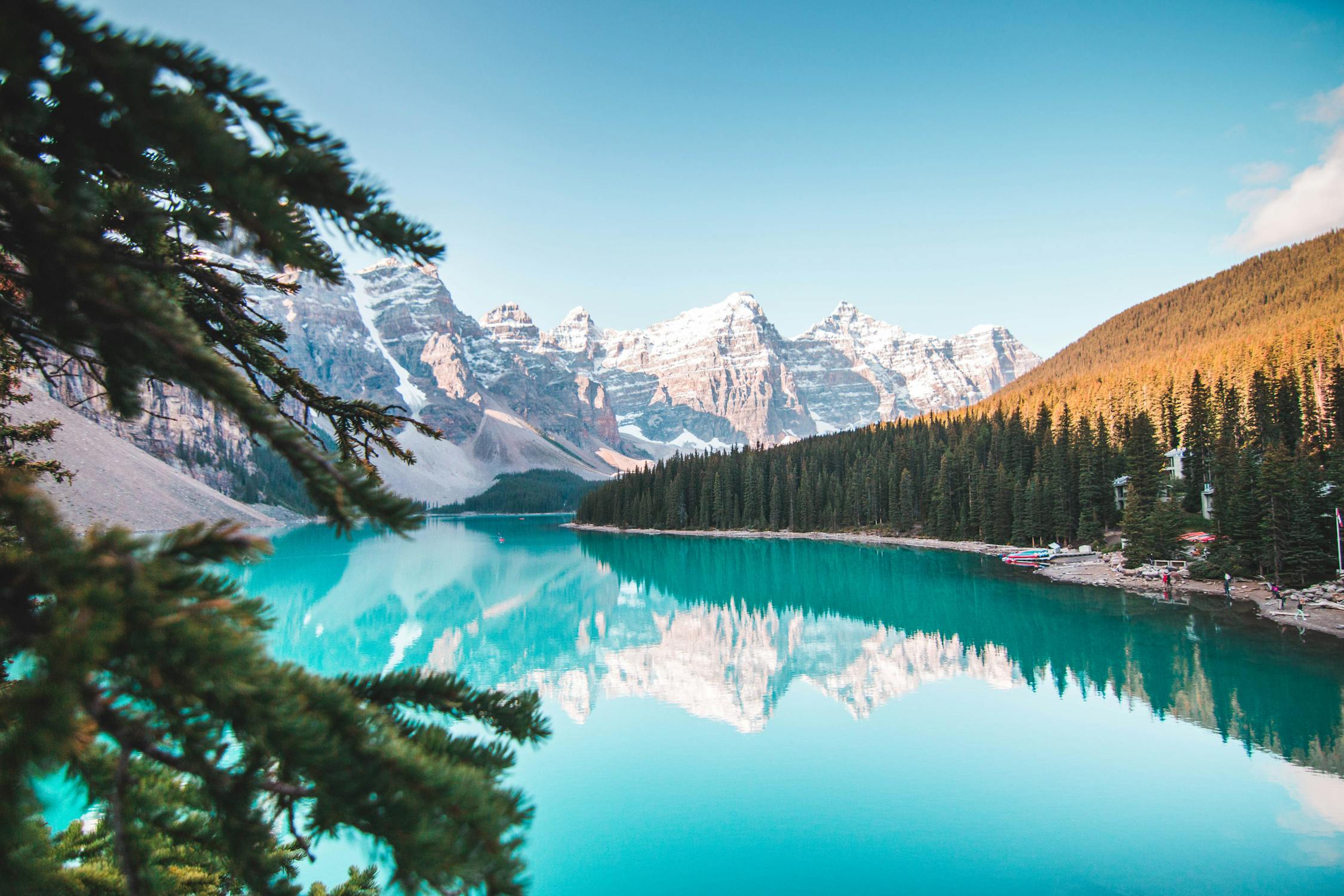 Photo credit on Pexels
Alaska, USA
Alaska offers the biggest, most dramatic, and most extreme heli-skiing terrain in the world. The Chugach Mountains near Valdez and the Tordrillo Range near Anchorage feature enormous peaks, massive glaciers, and descents of 1,500+ vertical meters on steep, complex terrain. This is not beginner territory: Alaska heli-skiing demands strong intermediate to expert skiing ability and a willingness to ski terrain that is genuinely steep and consequential.
The Tordrillo Mountains alone offer over 1.2 million acres of heli-skiing terrain and receive an average of 600 inches of snow per season. The terrain ranges from steep couloirs and glacier skiing to the flanks of Mount Torbert (an active volcano) with panoramic views of Denali on clear days.
The snow in Alaska tends to be heavier and wetter than BC’s interior powder due to Pacific storm cycles, but the scale of the terrain compensates. Runs are longer, steeper, and more dramatic than anywhere else on Earth. Note that Alaska’s weather can be volatile — budget for potential weather days when the helicopter cannot fly.
Operations: Points North Heli Adventures (Cordova), Valdez Heli-Ski Guides, Tordrillo Mountain Lodge, Chugach Powder Guides Cost: 1,000-2,000 USD per day. Week-long packages from 8,000-15,000 USD. Best season: Late February through April (March is prime for longer daylight and established snowpack) Skill level: Advanced to expert Getting there: Fly to Anchorage (ANC) or Valdez (VAZ).
Iceland
Iceland’s heli-skiing scene has grown significantly in recent years, offering a unique combination of steep terrain, ocean views, and the possibility of skiing from summit to sea level. The Troll Peninsula in northern Iceland is the primary heli-skiing area, with peaks rising directly from the fjords to 1,000-1,200 meters.
The experience is different from North America. The runs are shorter (600-1,200 vertical meters), but the scenery is otherworldly, and the possibility of skiing a line that ends on a black sand beach at the edge of the Arctic Ocean is something that no other destination can match.
Operations: Arctic Heli Skiing, Bergmenn Mountain Guides Cost: 800-1,200 EUR per day Best season: March through May (April is prime for longer daylight and stable snow) Skill level: Intermediate to expert Where to stay: Dalvik and Siglufjordur have guesthouses from 80 EUR Getting there: Fly to Akureyri from Reykjavik (45 minutes). Drive to Dalvik (45 minutes).
New Zealand
New Zealand offers heli-skiing in the Southern Alps during the Northern Hemisphere’s summer (July-September), making it the ideal destination for skiers who cannot wait for winter. The terrain around Wanaka, Queenstown, and Mount Cook features alpine ridges, glaciated peaks, and long, open runs with views of lakes and fjords.
New Zealand heli-skiing is typically sold by the run rather than by the day, which gives you more flexibility but can make cost management tricky.
Operations: Harris Mountains Heli-Ski, Southern Lakes Heli-Ski, Methven Heli-Skiing Cost: 900-1,200 NZD per run (minimum 3 runs typically required). Day packages from 1,500-2,500 NZD. Best season: July through September Skill level: Intermediate to expert Getting there: Fly to Queenstown (ZQN) or Christchurch (CHC).
Comparison: Heli-Skiing Destinations
| Destination | Terrain Scale | Snow Quality | Cost/Day | Skill Level | Season |
|---|---|---|---|---|---|
| British Columbia | Very Large | Excellent (dry powder) | 1500-3000 CAD | Intermediate-Expert | Dec-Apr |
| Alaska | Enormous | Good (heavier snow) | 1000-2000 USD | Advanced-Expert | Feb-Apr |
| Iceland | Medium | Variable | 800-1200 EUR | Intermediate-Expert | Mar-May |
| New Zealand | Medium | Variable | 500-800 USD | Intermediate-Expert | Jul-Sep |
Is Heli-Skiing Worth the Price? An Honest Assessment
Heli-skiing IS worth it if:
- You are a strong intermediate to expert skier who can handle variable snow conditions, steep terrain, and off-piste skiing.
- You have skied powder before and know you love it.
- You can afford the cost without financial stress. Heli-skiing should be a celebration, not a source of anxiety about money.
- You value exclusive, uncrowded, once-in-a-lifetime experiences over quantity of ski days.
Heli-skiing is NOT worth it if:
- You are a beginner or early intermediate skier. You will struggle on the terrain, slow down your group, and not enjoy the experience. Most operations require that you can comfortably ski black diamond runs at a resort.
- You have never skied powder. The technique required for deep powder is significantly different from groomed-run skiing. Learn to ski powder at a resort (or on cat-skiing trips) before spending heli-skiing money.
- You are uncomfortable with risk. Heli-skiing involves flying in a helicopter in mountain terrain, skiing in avalanche-prone backcountry, and descending steep, unfamiliar slopes. The safety record is excellent — operators adhere to strict standards set by HeliCat Canada, the industry association — but the inherent risk is higher than resort skiing.
- You would rather ski 30 days at a resort than 5 days of heli-skiing for the same budget.
For adventure travel that stretches a budget across more experiences, our budget backcountry skiing guide covers cost-effective alternatives to full heli-skiing packages.
Cat-Skiing: The Budget Alternative
If heli-skiing is beyond your budget, cat-skiing (using a snowcat, a tracked vehicle, to access backcountry terrain) delivers a similar experience at roughly half the cost. Cat-skiing operations are found throughout BC, Colorado, Utah, and Japan.
The terrain is typically lower elevation (forested glades rather than alpine bowls) and the access is slower (snowcats take 15-30 minutes to climb where a helicopter takes 5 minutes), but the skiing itself — untracked powder on ungroomed terrain — is comparable.
Cat-skiing cost: 400-800 USD per day, typically including lunch and avalanche safety gear. Recommended operations: Baldface Lodge (BC), Chatter Creek (BC), Powder Mountain Cat Skiing (BC), Vail Powder Guides (Colorado).
What to Bring to a Heli-Skiing Trip
Most heli-skiing lodges provide avalanche safety gear (beacon, probe, shovel) and can rent skis and boots. But bring your own:
- Ski boots that fit perfectly. Do not break in new boots on a heli-skiing trip.
- Goggles with multiple lenses. Flat light in the alpine requires amber or rose lenses. Bright sun requires dark lenses. The Smith I/O MAG Snow Goggles feature a magnetic lens-swap system so you can change lenses in seconds mid-run. If you’re shopping for new goggles before the trip, our best ski goggles for adventure roundup covers ChromaPop, Prizm, and versatile all-mountain lenses tested across resort and backcountry conditions.
- Layering system. A merino base layer, an insulated mid layer, and a waterproof shell. You will be warm on the helicopter and cold on the summit. The Smartwool Classic All-Season Merino Base Layer handles wide temperature swings without developing odor over multi-day trips.
- Backpack. A 20-25L ski pack for carrying water, extra layers, and your avalanche gear. The Osprey Stratos 24L has a dedicated helmet carry and hip-belt pockets that stay accessible while skiing.
- Physical fitness. Heli-skiing is more physically demanding than resort skiing. You ski 4,000-6,000 vertical meters in a day, much of it in deep, heavy snow. Arrive fit. Legs, core, and cardiovascular endurance all matter.
The Fitness Factor: Preparing for Heli-Skiing
Heli-skiing is significantly more physically demanding than resort skiing. Here is why and how to prepare:
Why it is harder: You ski 4,000-6,000 vertical meters in a day, almost entirely in deep snow. Deep powder requires more quad strength, more core engagement, and more cardiovascular endurance than groomed runs. There are no gentle traverses or easy blue runs. Every descent is through untracked terrain with variable snow, steep pitches, and features (cliffs, trees, couloirs) that require constant attention.
Pre-trip fitness plan (8-12 weeks before):
- Leg strength: Squats, wall sits, lunges, and leg press 3x per week. Build toward holding a wall sit for 3 minutes and completing 3 sets of 20 squats with body weight.
- Cardiovascular: Running, cycling, or ski touring 3-4x per week. Build toward 45-60 minute sessions at moderate intensity. Interval training (sprints) is particularly useful because skiing demands repeated bursts of high-intensity effort.
- Core: Planks, Russian twists, and bicycle crunches. A strong core is essential for balance in variable snow and for protecting your back during long days.
- Flexibility: Yoga or dedicated stretching sessions 2-3x per week. Hip flexors, hamstrings, and ankle flexibility directly affect skiing performance.
On-trip recovery: Most heli-skiing lodges have hot tubs, massage services, and stretch areas. Use them. Hydrate aggressively (altitude and exertion cause dehydration). Eat well at meals. Sleep 8+ hours. Your body needs to recover overnight because tomorrow you are doing it all again.
What Happens When the Helicopter Cannot Fly
Weather is the great variable in heli-skiing. Helicopters cannot fly in low cloud, high wind, poor visibility, or heavy precipitation. On average, expect 1-2 weather-affected days per week at most operations. Here is how different operators handle weather days:
Snow cat backup: The best operations have snowcat vehicles that can access backcountry terrain when the helicopter is grounded. You still ski untracked powder, just at lower elevation and with longer transit times between runs. CMH, Last Frontier, and several other BC operations have cat-skiing backup.
Partial day skiing: Sometimes the helicopter can fly in the morning but not the afternoon, or vice versa. Guides adjust the plan accordingly. You may get 4-6 runs instead of 8-12.
Resort access: Some operations are located near ski resorts and offer resort skiing as a backup. This is a significant downgrade from the heli experience but better than a day in the lodge.
Refund policies: Vary widely. Some operations offer a partial refund for complete weather days. Others offer credit toward a future trip. Ask about the specific policy before booking.
Booking Tips for 2026
Heli-skiing trips book up early. Prime weeks (mid-January through mid-March in BC and Alaska) often sell out 6-12 months in advance. Here is how to secure a trip:
- Book early. September-October for the following winter is ideal. Last-minute availability exists but is limited and often on less desirable dates.
- Consider shoulder season. Early December and late March/April offer lower prices and better availability. Snow conditions can be excellent.
- Ask about “standby” or “last call” availability. Some operations offer discounted rates on unfilled seats close to the departure date.
- Group discounts. Many operations offer discounts for booking a full group (4-5 people). If you can fill a helicopter group with friends, you may save 10-15 percent.
- Weather days. Ask what happens if the helicopter cannot fly due to weather. Most operations offer alternative activities (cat-skiing, snowshoeing) or partial refunds, but policies vary.
Related Reading
Get the best ThrillStays tips in your inbox
Weekly guides, deals, and insider tips. No spam, unsubscribe anytime.