Kathmandu Adventure Travel Guide
The adventure traveler's guide to Kathmandu: seasons, logistics, getting around, and the best basecamps.

Kathmandu, Nepal
Quick Facts
Safety score derived from the U.S. State Department Travel Advisory for Nepal: Level 2 (Exercise Increased Caution), as of 2026-07-08. Country-level guidance; check local conditions before you go.
Welcome to Kathmandu – The Adventure Hub of the Himalayas
 Photo: Kathmandu Durbar Square, Shiva Parvati Temple, Nepal (edit).jpg by Vyacheslav Argenberg / UnpetitproleX (CC BY 4.0), via Wikimedia Commons
Nestled at roughly 1,400 m above sea level, Kathmandu is the launchpad for every serious trekker, climber, and wilderness junkie eyeing the Himalayas. Its strategic altitude means you can trade the city’s bustling streets for high‑altitude passes in just a few hours, making it the perfect place to shake off the jet‑lag and plug into Nepal’s legendary outdoor scene. The city’s coordinates—27.700769 N, 85.300140 E—pinpoint a vibrant urban core that still feels like the gateway to the mountains (according to LatLong.net). With a population of about 0.86 million (2021 census, Wikipedia) and a time zone set to UTC+5:45 (Wikipedia), Kathmandu blends the energy of a capital city with the raw, rugged vibe that adventure travelers crave.
Neighborhoods to Know
Thamel
 Photo: Kathmandu, Nepal, Thamel streets.jpg by Vyacheslav Argenberg (CC BY 4.0), via Wikimedia Commons
Thamel is the beating heart of Kathmandu’s tourist circuit. Here you’ll find a dense concentration of hotels, restaurants, and, most importantly for gear‑centric travelers, well‑stocked outdoor shops that carry everything from crampons to high‑altitude sleeping bags. Trekking agencies line the streets, ready to sort out permits, porters, and itinerary tweaks on the spot. If you need a quick gear swap or a last‑minute route change, Thamel’s the place to do it.
Patan
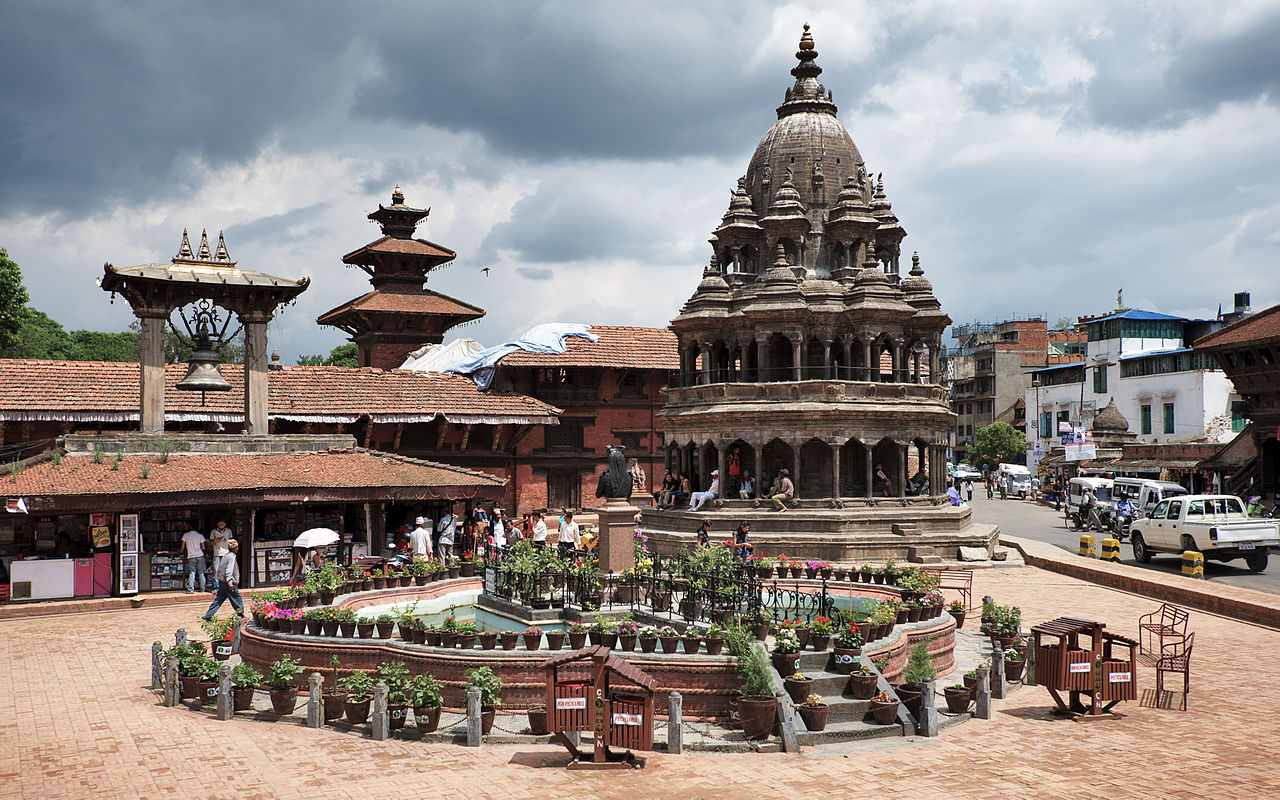 Photo: Nepal Patan Durbar Square 10 (full res).jpg by Alexander Shafir (CC BY-SA 4.0), via Wikimedia Commons
Just a short ride across the Bagmati River, Patan offers a quieter, culturally rich alternative to Thamel’s hustle. The historic city is home to UNESCO World Heritage sites such as Patan Durbar Square, providing a perfect day‑trip backdrop for those who want to balance mountain prep with a dose of heritage. While the neighborhood isn’t a gear hub, its guesthouses often cater to adventure travelers looking for a more laid‑back night after a long day on the trail.
Boudhanath
 Photo: Boudhanath stupa, Kathmandu 01.jpg by Bernard Gagnon (CC BY-SA 4.0), via Wikimedia Commons
The massive Boudhanath Stupa dominates this neighborhood, drawing pilgrims and backpackers alike. Around the stupa, a network of guesthouses and modest hostels sprout, many of which cater specifically to trekkers and climbers. The vibe here is more relaxed than Thamel, yet you’ll still find a few gear shops and plenty of fellow adventurers swapping trail stories over tea.
Top Things to Do in Kathmandu
Once your gear’s sorted and your permits are in hand, these are the sights worth carving out time for before you head for the hills.
1. Kathmandu Durbar Square
The former royal palace complex of the Malla and Shah kings, this UNESCO World Heritage plaza is packed with pagoda temples, courtyards, and the Hanuman Dhoka palace. It’s an easy walk from Thamel, so slot it in as a warm‑up before you commit to bigger altitude.
2. Swayambhunath
Perched on a hilltop overlooking the valley, this ancient stupa complex is nicknamed the “Monkey Temple” for its resident macaques. The climb up its stone steps is a solid low‑altitude leg‑stretcher, and the summit view over Kathmandu is one of the best in the city.
3. Boudhanath
One of the largest spherical stupas in the world and a major hub of Tibetan Buddhism in exile, Boudhanath’s circular kora path is worth a slow lap at dawn before the tour buses arrive.
4. Pashupatinath Temple
A sacred Hindu temple complex on the banks of the Bagmati River dedicated to Shiva, Pashupatinath is also the site of open‑air cremation ghats. It’s a raw, unfiltered look at Nepali spiritual life that’s a short taxi ride from Boudhanath.
5. Patan Durbar Square
The former royal palace complex of the Malla kings of Lalitpur, this square is dense with Newar temple architecture and anchors the neighboring Patan Museum. Pair it with a wander through Patan’s quieter backstreets for a half‑day of culture before your trek.
6. Garden of Dreams
A restored neoclassical garden built in 1920 for Field Marshal Kaiser Sher Shumsher Rana, tucked right next to Thamel. It’s the closest thing Kathmandu has to a quiet, shaded rest stop between gear runs.
Book tickets & skip-the-line tours: Browse Kathmandu experiences
Getting Around
 Photo: Kathmandu Old City Chaos (221813587).jpeg by Francisco Anzola (CC BY 3.0), via Wikimedia Commons
Navigating Kathmandu is surprisingly straightforward once you get the lay of the land. Public buses and microbuses weave through the city and its surrounding valleys, offering an inexpensive way to reach neighborhoods like Patan and Boudhanath. For quicker, door‑to‑door service, taxis are abundant, and ride‑hailing apps have taken root in recent years, giving you the flexibility to hop between gear shops, airports, and trailheads without a hitch. If you prefer to explore on two wheels, rental scooters are widely available and provide an agile way to dodge traffic while scouting out the best routes to your next adventure.
Safety & Practical Notes
The U.S. State Department rates Nepal Level 2 (Exercise Increased Caution) (as of 2026-07-08). Kathmandu’s infrastructure is geared toward the influx of trekkers, but a few practical considerations can keep your expedition smooth. The city’s official currency is the Nepalese rupee (NPR) (Wikipedia), so carry a mix of cash and a card that works internationally; ATMs are plentiful in Thamel and near the airport. US passport holders can secure a tourist visa on arrival at Tribhuvan International Airport, the main international gateway (source: Department of Immigration – Visa on Arrival). For the official visa process, see the Department of Immigration – Visa on Arrival page.
Tap water in Kathmandu is not considered safe to drink straight from the tap — stick to bottled or filtered water, which is sold everywhere in Thamel. Outlets run on Type C/D/M sockets at 230V, so pack a universal adapter. For emergencies, dial 100 for police; most hotels keep updated ambulance and fire contacts at the front desk. The Kathmandu Metropolitan Government website is a solid resource for up‑to‑date civic information; you can browse it at Kathmandu Metropolitan Government.
Best Time to Visit
 Photo: Annapurna II seen during Annapurna Circuit Trek.jpg by Udhabkc (CC BY-SA 4.0), via Wikimedia Commons
The pre‑monsoon window of March through May and the post‑monsoon stretch from September through November are the classic trekking seasons out of Kathmandu — clear skies, stable trails, and the best mountain visibility for routes like Annapurna and Langtang. The summer monsoon (June–August) brings landslides and washed‑out roads to higher routes, while December through February delivers cold, clear conditions that suit lower‑altitude treks but demand serious cold‑weather gear at elevation. Check the latest trail conditions and local weather forecasts before you lock in your dates.
Where to Stay
 Photo: 2015-03-30 04-15 Nepal 051 Kathmandu, Thamel, International Guesthouse (17151715087).jpg by Allie_Caulfield (CC BY 2.0), via Wikimedia Commons
Whether you’re looking for a boutique hostel in Thamel, a heritage guesthouse in Patan, or a quiet lodge near Boudhanath, Kathmandu’s accommodation scene is built around the needs of trekkers. Most places offer secure gear storage, easy access to transport, and breakfast that fuels early morning starts. For a curated list of the top base‑camp‑ready hotels and lodges, check out our full hotel guide.
Feel the pulse of the Himalayas from the moment you step off the plane—Kathmandu is more than a city; it’s the launchpad for every adrenaline‑filled story you’ll tell when you return. Safe travels, and keep those crampons sharp!
Frequently Asked Questions
How do I get a visa if I'm flying in on a US passport?
US citizens can obtain a tourist visa on arrival at Tribhuvan International Airport. The process is managed by Nepal's Department of Immigration, and you'll receive a visa sticker valid for up to 150 days (source: Department of Immigration -- Visa on Arrival).
Which neighborhood should I stay in for the best gear shopping?
Thamel is the go-to district for outdoor equipment, with multiple shops that stock everything from trekking poles to high-altitude apparel. It's also where most trekking agencies have offices, making it the most convenient base for logistics.
What's the easiest way to reach the trailheads from the city?
After securing your gear, you can hire a taxi or use a ride-hailing app to reach the main bus depots that dispatch microbuses to popular trailheads like Pokhara, Nagarkot, and the start points for the Annapurna and Langtang circuits. For longer distances, many travelers book a private vehicle through a local agency.
Are there any health precautions I should be aware of?
Altitude acclimatization is the biggest factor. Since Kathmandu sits at 1,400 m, you'll already be at a moderate altitude before heading higher. Hydrate well, avoid alcohol on the first day of ascent, and consider a short rest day after leaving the city to let your body adjust before tackling higher passes.
Related Guides
Get price-drop alerts and new guides from BoldTripGuide
One email a week: price drops on the gear we recommend, new guides, and what changed. No spam, unsubscribe anytime.