Reykjavik Adventure Travel Guide
The adventure traveler's guide to Reykjavik: seasons, logistics, getting around, and the best basecamps.
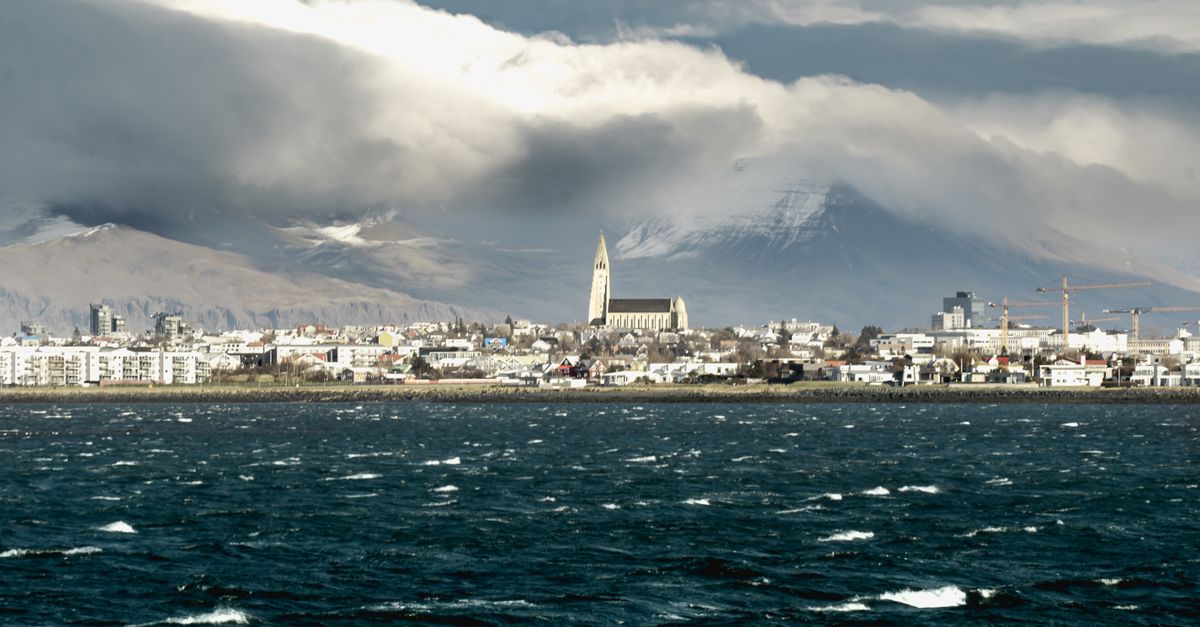
Reykjavik, Iceland

About Reykjavik
Reykjavík is the capital and largest city of Iceland. It is located on the southern shore of the Faxaflói bay in southwest Iceland and has a latitude of 64°08′ N, making it the world's northernmost capital of a sovereign state.
Read more on WikipediaQuick Facts
Safety score derived from the U.S. State Department Travel Advisory for Iceland: Level 1 (Exercise Normal Precautions), as of 2026-07-08. Country-level guidance; check local conditions before you go.
Welcome to Reykjavik – The Adventure Hub at the Edge of the World
 Photo: Reykjavík’s Skyline.JPG by Izsonzo (CC BY-SA 4.0), via Wikimedia Commons
Reykjavik isn’t just a quirky capital with colorful rooftops; it’s the northernmost sovereign‑state capital on the planet and a launchpad for every kind of high‑octane outdoor play. Founded in 1786 after a royal decree, the city packs roughly 130 000 souls into a compact, walkable grid that sits on a volcanic peninsula overlooking the Atlantic. What makes it a magnet for gear‑savvy explorers is the seamless blend of urban convenience and raw nature: geothermal‑heated streets, 100 % renewable power, and instant access to glaciers, waterfalls, and volcanic craters. Whether you’re loading up a mountain bike, a pack of crampons, or a set of Icelandic horse tack, Reykjavik’s logistics, plug‑ins, and safety net let you focus on the next summit, surf, or midnight‑sun trek.
Neighborhoods to Know
Miðborg (Downtown)
 Photo: Laugavegur, Reykjavik.jpg by Marek Ślusarczyk (Tupungato) (CC BY 3.0), via Wikimedia Commons
The beating heart of the city, Miðborg is a compact hub where museums, cafés, and the harbor sit shoulder‑to‑shoulder. For adventure travelers, the downtown grid means you can stash your gear in a central locker or hostel, then sprint to the harbor for a whale‑watching charter or hop on a bike lane that threads you toward the coastal trail network. The short distances keep your pack light and your adrenaline high.
Grandi
 Photo: Reykjavik old harbour (6046082168).jpg by Aapo Haapanen from Tampere, Finland (CC BY 2.0), via Wikimedia Commons
Once the industrial port of Reykjavik, Grandi has been reborn as a waterfront playground. Its historic docks host daily whale‑watching tours that plunge you into the cold Atlantic in search of humpbacks and orcas. After a day at sea, the neighborhood’s seafood shacks refuel you with fresh cod and lobster—fuel that’s perfect for a night of night‑photography under the aurora.
Vesturbær
 Photo: Aegisida 1.jpg by Christian Bickel fingalo (CC BY-SA 2.0 de), via Wikimedia Commons
Vesturbær feels like a suburban launchpad with a twist. Lined with leafy streets and small parks, it offers quick routes to the nearby hiking trails that snake up the hills surrounding the city. Pack a day‑long trek to the Esja foothills and you’ll find yourself back in town before sunset, thanks to the neighborhood’s proximity to main road arteries.
Laugardalur
 Photo: Reykjavík park bench.jpg by Vogler (CC BY-SA 4.0), via Wikimedia Commons
If mountain biking is your jam, Laugardalur is the green valley you’ve been hunting. This park‑filled district houses a geothermal pool (perfect for warming up after a hard ride), a zoo, and multiple trailheads that lead into the surrounding lava fields. The network of single‑track routes here ranges from beginner flow lines to technical descents that test your suspension and skill.
Hlíðar
 Photo: Esja01.jpg by Fingalo (Public domain), via Wikimedia Commons
South‑side Hlíðar is the gateway to the iconic Esja mountain, Reykjavik’s most climbed peak. The neighborhood’s steep streets double as a warm‑up for the ascent, and the trailhead is just a short bus ride away. Whether you’re tackling the summit in winter crampons or summer hiking boots, Hlíðar’s easy access makes it a go‑to base for summit fever.
Top Things to Do in Reykjavik
Once you’ve picked a neighborhood, here’s where to actually spend your daylight (and in summer, you’ll have a lot of it). These are the sights that anchor every Reykjavik itinerary, and every one of them is an easy add-on to a bigger adventure day.
1. Hallgrímskirkja
At 74.5 meters, this Lutheran parish church is the largest church in Iceland and the second-tallest building in the country — the concrete spire dominates every skyline shot you’ll take downtown. Ride the tower elevator for the highest vantage point in the city before you head for the hills.
2. The Sun Voyager
Sculptor Jón Gunnar Árnason’s steel “dreamboat,” built as an ode to the sun and a promise of undiscovered territory, sits right on the Sæbraut waterfront path. It’s a five-minute detour off any harbor run or bike loop, and one of the best sunrise photo stops in the city.
3. Perlan
Perched on top of Öskjuhlíð hill inside a cluster of converted geothermal hot-water tanks, Perlan is now a natural history museum with sweeping views over the city and the bay beyond. It’s a solid staging point before a Golden Circle run or a coastal trail day.
4. Harpa
Reykjavik’s harbor-front concert hall wears a honeycomb glass facade inspired by Iceland’s basalt columns, and it’s impossible to miss from the water. Duck inside to warm up between the glass panels after a cold morning on a whale-watching boat.
5. Golden Circle
This roughly 300-kilometer loop out of Reykjavik and back through Iceland’s southern uplands strings together the country’s most-visited natural sites into a single day trip. Use the city as your basecamp and knock it out before you push further into the highlands.
6. Esja
This 914-meter volcanic mountain range rises just ten kilometers north of the city and is the default summit-day objective for anyone based in Reykjavik. It isn’t a single peak but a full range, so there’s more than one route up depending on how much of a workout you’re after.
7. Laugardalslaug
Iceland’s largest public pool complex pairs an indoor Olympic-size pool with a 50-meter outdoor pool and a full slate of geothermal hot pots — exactly what your legs want after a day on the trails or the bike. It sits right in the Laugardalur valley alongside the neighborhood’s mountain-bike network.
Book tickets & skip-the-line tours: Browse Reykjavik experiences
Getting Around
 Photo: 5 Buses Reykjavik 270918.jpg by NAC (CC BY-SA 4.0), via Wikimedia Commons
Reykjavik’s public bus network, Strætó, threads through every neighborhood and extends into the surrounding countryside, making it simple to hitch a ride to trailheads, whale‑watching ports, or the geothermal pools of Laugardalur. Buses run on a reliable timetable, and the city’s fare system works with contactless cards—ideal for keeping your hands free for gear adjustments.
For short hops and gear‑laden trips, bicycle rentals are ubiquitous, and the city’s dedicated bike lanes crisscross the downtown core. The flat terrain and wind‑shielded streets let you pedal with a pack, while the bike‑share stations let you drop off the ride right at the trailhead or harbor.
If you’re hauling a full rack of skis, a surfboard, or a mountain‑bike frame, consider renting a compact van from a local outfit. Many providers offer “gear‑first” insurance and allow you to load up at the airport, then drop off at any of the neighborhoods listed above.
Safety & Practical Notes
The U.S. State Department rates Iceland Level 1 (Exercise Normal Precautions) (as of 2026-07-08), and the emergency number 112 is reachable everywhere—from the downtown cafés to the remote Esja summit. The city’s infrastructure is built for extremes: tap water comes straight from pristine glacial springs and is safe to drink, so you can refill your hydration packs without a filter.
Electrical gear is a breeze—plug type is the European Schuko (Type F) at 230 V, so bring a Type F adapter or a universal converter if you’re traveling from North America.
Currency is the Icelandic króna (ISK), and while credit cards are accepted almost everywhere, it’s wise to carry a modest amount of cash for remote trail vendors. The average adventure budget sits between $150‑250 per day, covering meals, gear rentals, and transport.
Language is Icelandic, but English is widely spoken, especially in tourism‑focused neighborhoods like Grandi and Miðborg.
The city’s electricity and heating are almost 100 % renewable, powered by geothermal and hydro sources—meaning your heated jacket and electric stove run on clean energy.
Visa‑free entry for US citizens lasts up to 90 days, so you can focus on packing your crampons, not your paperwork.
Best Time to Visit
 Photo: Aurora Borealis outside Reykjavik.jpg by Beata May (CC BY-SA 4.0), via Wikimedia Commons
The summer months of June, July, and August are the sweet spot for outdoor action. During this window, the midnight sun bathes the landscape in continuous daylight, giving you extra hours to summit Esja, bike Laugardalur’s trails, or chase whales from Grandi’s docks.
If you’re chasing the aurora borealis, plan for September through April. The dark skies and clear nights make the northern lights a nightly possibility, and the cooler temps add an extra layer of challenge to any winter hike or ice‑cave exploration.
Where to Stay
 Photo: HotelBorg.JPG by TommyBee (Public domain), via Wikimedia Commons
Reykjavik’s lodging options range from boutique hostels in Miðborg to eco‑lodges on the outskirts of Hlíðar, each offering secure gear storage and easy access to the city’s adventure arteries. For a curated list of the best basecamp hotels and lodges that cater to the gear‑heavy traveler, check out our full hotel guide.
Frequently Asked Questions
When is the optimal window for combining mountain biking and whale watching?
Aim for July or early August. The midnight sun gives you daylight for long bike rides in Laugardalur, while the whale‑watching season in Grandi peaks in the same period, allowing you to pack two epic days into one.
Do I need a special adapter for my electronic gear?
Yes. Reykjavik uses Type F plugs at 230 V. Bring a compatible adapter or a universal converter to keep your GPS, headlamp, and power banks running.
How reliable is public transport for reaching trailheads outside the city?
Strætó buses run frequently and connect directly to the Esja trailhead (via Hlíðar) and the coastal routes that lead to Laugardalur's mountain‑bike loops. Buses are timed to accommodate day‑trippers, and most have space for a bike rack.
Is it safe to drink tap water while on a multi‑day trek?
Absolutely. Reykjavik's tap water is sourced from glacial springs and is safe to drink straight from the faucet, so you can refill your hydration pack at any café, hostel, or public fountain without a filter.
Related Guides
Upcoming Holidays
IcelandGet price-drop alerts and new guides from BoldTripGuide
One email a week: price drops on the gear we recommend, new guides, and what changed. No spam, unsubscribe anytime.