Sedona Adventure Travel Guide
The adventure traveler's guide to Sedona: seasons, logistics, getting around, and the best basecamps.

Sedona, United States

About Sedona
Sedona is a city that straddles the county line between Coconino and Yavapai counties in the northern Verde Valley region of the U.S. state of Arizona. As of the 2020 census, Sedona had a population of 9,684.
Read more on WikipediaQuick Facts
The U.S. State Department does not issue travel advisories for domestic U.S. destinations. This score reflects a normal-precautions baseline; always check current local conditions.
Welcome to Red-Rock Sedona
Sedona sits at roughly 34.87° N, -111.76° W and packs a population of roughly 9,700 souls, according to Wikipedia. What it lacks in size, it makes up for in vertical playgrounds. The pink-to-red sandstone cliffs that dominate the horizon aren’t just a postcard backdrop — they’re a living, climbable, hike-able arena that draws adrenaline junkies from around the globe. With more than 200 miles of marked trails, according to Visit Sedona’s official tourism site, you can spend weeks stringing together summit pushes, canyon scrambles, and hidden-waterfall forays without ever repeating a step.
This guide is built for the gear-forward explorer who wants to know where to park the rig, where to snag a spare rope, and how to move through Sedona’s rugged terrain without missing the best service hubs. Strap in, pack a water filter or bottled backup, and let’s map out the adventure.
Neighborhoods to Know
Sedona’s three main districts each cater to a different slice of the outdoor lifestyle. Pick your base, then let the trails dictate the rest.
Uptown Sedona

Photo: Uptown Sedona, AZ, USA - panoramio.jpg by Jack CameraMan (CC BY 3.0), via Wikimedia Commons
Uptown is the pedestrian-friendly strip where galleries, cafés, and jeep-tour kiosks line the sidewalks. For a quick gear pickup or a post-hike protein shake, this is the place to be. The concentration of outdoor service providers means you can rent a bike, grab a map, or swap out a busted carabiner without hopping a shuttle.
West Sedona

Photo: Sedona neighborhood looking north.JPG by Zereshk (CC BY-SA 3.0), via Wikimedia Commons
If you crave a more local vibe and want to be a stone’s throw from the trailheads, head west. West Sedona is less crowded than the tourist-centric core, offering direct access to the backcountry routes that feed into the Red Rock State Park network. Hikers and climbers appreciate the quieter streets, which double as informal parking spots for trail-head shuttles and gear trucks.
Village of Oak Creek

Photo: Red Rock Scenic Byway - Village of Oak Creek - NARA - 7721241.jpg (Public domain), via Wikimedia Commons
Nestled in a quieter residential pocket, the Village of Oak Creek blends suburban calm with immediate proximity to the iconic red-rock scenery. It’s a solid pick for those who want a restful night after a day of summit hunting, and the area sits close to several popular hikes and even a few golf courses for a low-key swing between climbs.
Top Things to Do in Sedona

Photo: Bell rock sedona arizona.jpg by Tomas Castelazo (CC BY-SA 3.0), via Wikimedia Commons
Sedona’s real draw isn’t the town — it’s what surrounds it. These are the formations and canyons worth building your itinerary around:
- Cathedral Rock — One of the most-photographed sandstone buttes in Arizona, rising 4,967 feet in the Coconino National Forest. The short, steep USFS Trail #170 climbs to a saddle with a payoff view that outruns the effort.
- Bell Rock — A 4,919-foot butte just north of the Village of Oak Creek. A moderate hike reaches a broad plateau on the northwest face; the true summit demands an unmarked, exposed scramble for those who want to push further.
- Chapel of the Holy Cross — Built directly into a red-rock butte between 1954 and 1956, this Roman Catholic chapel doubles as an easy, paved detour with one of the best framed panoramas in town.
- Airport Mesa — A scenic overlook and trail network beside Sedona Airport. The 1.5-mile Brewer Trail and 3.2-mile Airport Loop Trail thread together sunset views that locals rank above any postcard.
- Oak Creek Canyon — Arizona’s “mini Grand Canyon,” carrying State Route 89A through roughly 13 miles of hairpin turns between Flagstaff and Sedona. Treat the drive itself as part of the adventure.
- Red Rock State Park — A 286-acre day-use park five miles southwest of town, built around protecting Oak Creek’s riparian corridor. An easy add-on for birders and anyone chasing red rock without the trailhead crowds.
- Slide Rock State Park — Seven miles up Oak Creek Canyon, a natural water slide worn into slickrock by Oak Creek is the reward after a hot trail day. Bring water shoes and expect company in summer.
Book tickets & skip-the-line tours: Browse Sedona experiences
Getting Around
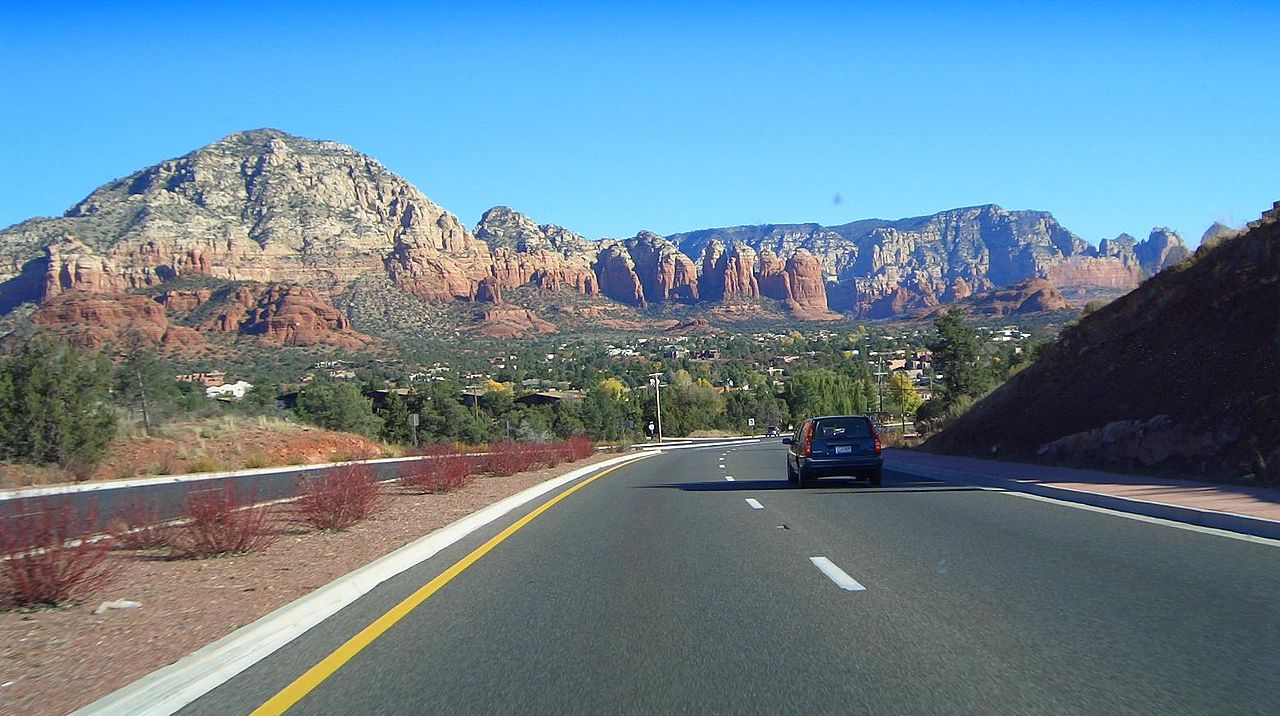
Photo: 89A in Sedona.JPG by Terry Donaghe (CC BY-SA 2.0), via Wikimedia Commons
The desert terrain demands a reliable ride. Most adventurers rent a compact 4x4 or an SUV to tackle the unpaved access roads that wind toward the trailheads. Rental agencies are plentiful in Uptown and West Sedona, and many will outfit you with a roof rack for bikes or a cargo carrier for backpacks.
If you’re traveling light, the seasonal shuttle service runs between Uptown, West Sedona, and the Village of Oak Creek, stopping at major trailheads like Cathedral Rock and Devil’s Bridge. For the ultra-mobile, bike lanes thread through the town core, but remember that the out-of-town routes are gravel-covered and best tackled with a mountain bike.
Parking can fill up fast at popular trailheads during peak daylight hours, so arrive early or consider a shuttle drop-off to preserve your energy for the ascent.
Safety & Practical Notes

Photo: Oak Creek Canyon (50174965667).jpg by Mike McBey (CC BY 2.0), via Wikimedia Commons
The U.S. State Department rates the United States Level 1, “No advisory (domestic),” as of July 2026 — Sedona carries the same normal-precautions baseline as the rest of the country. The practical risks here are environmental, not criminal: heat, flash floods, and thin signal in the canyons.
Water: Sedona’s municipal tap water has drawn caution flags in independent water-quality roundups. Pack a reliable filtration system or rely on bottled water, especially when you’re tackling high-exertion routes where dehydration can sneak up fast.
Gear: You won’t need to haul a full rack of equipment from home. Canyon Outfitters, Sedona’s original outdoor store on Highway 89A, stocks everything from climbing harnesses to lightweight camping tents. Their knowledgeable staff can help you fine-tune a day-pack or set you up with a full alpine rig for a multi-day push.
Emergency services: Dial 911 for any wilderness incident — the Sedona Police Department and Red Rock Fire District respond quickly. Keep a charged satellite communicator or a reliable cell signal (which can be spotty in deep canyons) and let someone know your route and ETA before you head out.
Electrical plugs: The city follows standard U.S. plug types (Type A/B, 120V), but if you’re traveling internationally, bring a compatible adapter.
Seasonal considerations: Sedona’s high-desert climate swings from scorching summer days (often above 100°F) to chilly winter nights that can dip below freezing. Spring and fall deliver milder temperatures and more predictable afternoon storms — ideal windows for long-haul hikes and technical climbs. Always check the forecast on the Visit Sedona official tourism site before you load the truck.
Local regulations: Some trail sections require permits for overnight camping or require you to stay on designated paths to protect the fragile desert flora. The City of Sedona’s official portal offers up-to-date permit info and trail closures — see the City of Sedona official website.
Best Time to Visit

Photo: Red rock mesa Sedona Arizona.jpg by Janet Ward, NOAA (Public domain), via Wikimedia Commons
While Sedona’s red cliffs glow year-round, most adventure travelers target the shoulder seasons. Late March through early May brings wildflower blooms that add a splash of color to the basaltic canvas, and daytime highs hover in the 70s°F — perfect for tackling exposed routes without overheating. September through November offers similar temperature comfort, plus the chance to catch spectacular sunrise and sunset light shows on the rock faces.
Summer is viable for early-morning ascents, but expect intense heat and occasional monsoonal thunderstorms that can flash-flood canyon bottoms. Winter brings cooler air that can actually improve climbing performance, yet snow can linger on higher elevations, so pack crampons if you plan to venture into the higher passes.
Where to Stay

Photo: Sedona Town view with fountain 2013.jpg by Tuxyso (CC BY-SA 3.0), via Wikimedia Commons
Sedona’s lodging ranges from boutique desert-style inns to full-service resorts that cater to base-camp style adventuring. For a curated list of the best places to park your gear and recharge for the next day’s push, check out our full hotel guide.
Gear up, respect the desert’s raw power, and let Sedona’s towering sandstone become your next epic chapter. Happy trails!
Frequently Asked Questions
Do I need a visa to visit Sedona?
No. Sedona is a domestic U.S. destination, so U.S. citizens need no visa or entry paperwork. International visitors follow standard U.S. entry rules — ESTA under the Visa Waiver Program for eligible countries, or a standard visitor visa otherwise.
Do I need a permit for day hikes around Sedona?
Most day hikes are free to walk, but many Red Rock Ranger District trailheads require a Red Rock Pass for parking, and overnight backcountry camping needs a permit from the City of Sedona or the U.S. Forest Service. Check the specific trailhead before you go.
Is Sedona's tap water safe to drink?
Sedona's municipal water has drawn caution flags in independent water-quality roundups, so most adventure travelers pack a filter, purification tablets, or bottled water rather than relying on the tap — especially before high-exertion trail days when dehydration risk climbs fast.
How safe is Sedona for travelers?
The U.S. State Department rates the United States Level 1, "No advisory (domestic)," as of July 2026 — Sedona carries the same normal-precautions baseline as the rest of the country. The real risks here are environmental: flash floods, summer heat, and thin cell coverage in the canyons, not crime.
Can I rent hiking or climbing gear locally?
Yes. Canyon Outfitters, Sedona's original outdoor store on Highway 89A, rents and sells everything from daypacks to full climbing racks, and its staff can brief you on current trail conditions.
What's the best way to reach the trailheads without a car?
A seasonal shuttle links Uptown, West Sedona, and the Village of Oak Creek to major trailheads like Cathedral Rock and Devil's Bridge. Otherwise, a rented 4x4 with a Red Rock Pass covers the unpaved access roads.
Upcoming Holidays
United StatesGet price-drop alerts and new guides from BoldTripGuide
One email a week: price drops on the gear we recommend, new guides, and what changed. No spam, unsubscribe anytime.