Travel Guide to Cusco, Peru
The ancient Inca capital at 3,400m is the gateway to Machu Picchu, Rainbow Mountain, and the Sacred Valley, offering world-class trekking, cultural immersion, and high-altitude adventure.

Cusco, Peru
Quick Facts
Safety score derived from the U.S. State Department Travel Advisory for Peru: Level 2 (Exercise Increased Caution), as of 2026-07-08. Country-level guidance; check local conditions before you go.
Why Adventurers Love Cusco
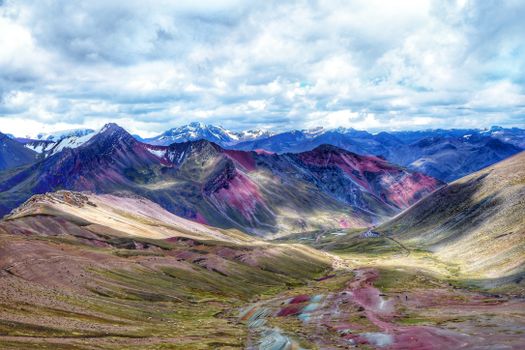
 Photo: Montana de colores Cusco (Vinicunca) y Valle Rojo por Inka Time.jpg by Christian Morales Callo (CC BY-SA 4.0), via Wikimedia Commons
Cusco is the launching pad for some of the most iconic adventure travel in the world. The city itself is a stunning collision of Inca stonework and Spanish colonial architecture, sitting at 3,400m in a valley surrounded by Andean peaks. From here, trekkers head out on the classic Inca Trail to Machu Picchu, the Salkantay Trek, the Lares Trek, and the increasingly popular Rainbow Mountain day hike. The Sacred Valley below offers whitewater rafting, mountain biking, zip-lining, and visits to Inca ruins. The altitude is no joke — you need at least 2-3 days to acclimatize before attempting anything strenuous — but once adjusted, the range of adventure here is unmatched in South America.
Neighborhoods to Know
Cusco’s compact historic core makes it easy to base yourself within walking distance of tour agencies, gear shops, and trailhead transport. Three areas matter most for adventure travelers:
San Blas
 Photo: Iglesia de San Blas, Cusco.jpg by Garett Schromm (CC BY-SA 4.0), via Wikimedia Commons
Cusco’s oldest neighborhood climbs steeply above the historic center on narrow cobblestone streets lined with artisan workshops, viewpoints, and the backpacker hostels that make it the default base for trekkers. Expect a workout just getting home after a long day — the altitude makes every set of stairs here feel harder than it should.
Historic Center (Plaza de Armas)
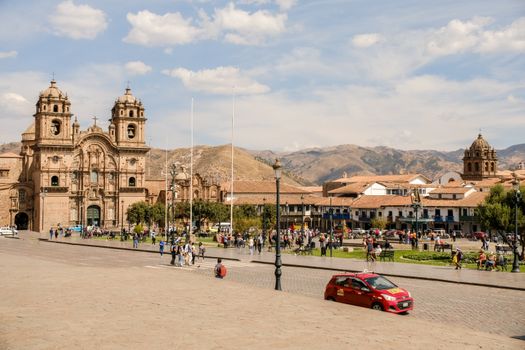
 Photo: Catedral, Plaza de Armas, Cusco, Perú, 2015-07-31, DD 73.JPG by Diego Delso (CC BY-SA 4.0), via Wikimedia Commons
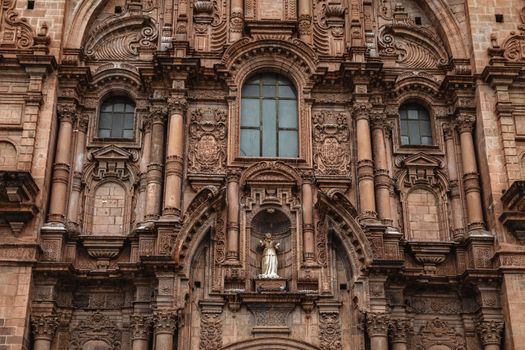
The main square — built by the Incas as Huacaypata and rebuilt by the Spanish around the Cusco Cathedral — anchors the densest concentration of tour agencies, restaurants, and colonial arcades in the city. This is where you’ll book treks, compare prices between operators, and pick up last-minute gear.
San Pedro
Several blocks southwest of the plaza, Cusco’s century-old covered municipal market is a warren of stalls selling fresh juices, local cheese, produce, and handicrafts. The neighborhood around it is grittier and far more local than the tourist core — good for cheap eats, less good for wandering distracted after dark.
Top Things to Do in Cusco
These are the sights that justify the flight to 3,400m. Book ahead where you can — permits and timed entries fill up fast in high season.
1. Machu Picchu
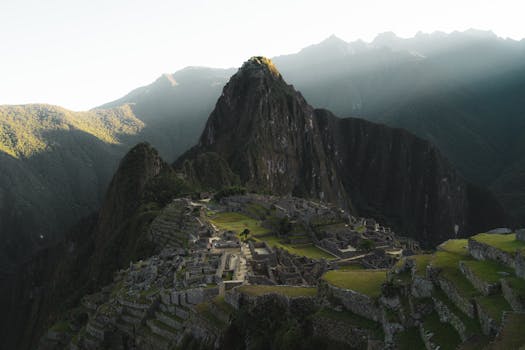
The 15th-century Inca citadel perched on a ridge above the Urubamba River is the reason most people fly into Cusco in the first place. It’s a UNESCO World Heritage Site and one of the New7Wonders of the World — reach it by train through the Sacred Valley or on foot via the Inca Trail.
2. Sacsayhuamán
This walled Inca complex on Cusco’s northern edge is famous for megalithic dry-stone walls built from boulders weighing many tons, cut and fitted without mortar. It’s an easy uphill walk or short taxi ride from Plaza de Armas — a good acclimatization outing before anything more strenuous.
3. Ollantaytambo
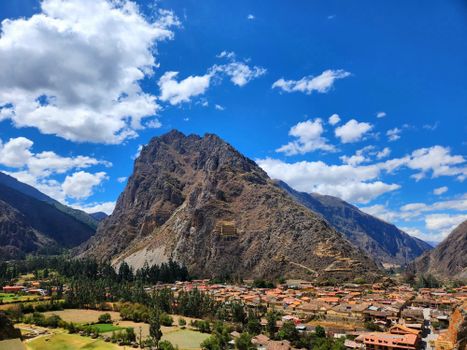
Part archaeological site, part living Inca town, Ollantaytambo’s terraced fortress ruins are one of the few places where original Inca urban planning and water canals still function as designed. It’s also the main departure point for trains to Machu Picchu.
4. Vinicunca (Rainbow Mountain)
A mineral-striped peak in the Cusco region, its banded colors exposed as glacial ice retreated — it only became a hiking destination in the 2010s. It’s a full-day trip from Cusco and tops out above 5,000m, so don’t attempt it before you’ve acclimatized.
5. Qorikancha
Once the most important temple in the Inca Empire, dedicated to the sun god Inti, Qorikancha’s foundations now support the Spanish-built Convent of Santo Domingo — Inca stonework and colonial architecture literally stacked on top of each other. It’s in the historic center, an easy add-on between trek bookings.
6. Inca Trail to Machu Picchu
The classic multi-day trek follows a network of Inca-era stone trails through the Andes, ending at Machu Picchu via the Sun Gate at sunrise. Access is permit-limited and capped daily by the Peruvian government, so book through a licensed operator well ahead of your dates.
Book tickets & skip-the-line tours: Browse Cusco experiences
Getting Around
 Photo: Peru - Sacred Valley & Incan Ruins 229 - Ollantaytambo ruins (8115044255).jpg by McKay Savage from London, UK (CC BY 2.0), via Wikimedia Commons
Tour agencies line every street in the historic center and compete aggressively on price. The Sacred Valley is a 1-1.5 hour drive from Cusco. Trains to Machu Picchu depart from Ollantaytambo (1.5 hours from Cusco) or Poroy (just outside the city). Collectivos (shared vans) run to most Sacred Valley towns for a few dollars. For the Inca Trail, you must book through a licensed operator — independent hiking isn’t permitted. Rainbow Mountain transport comes bundled into day tour packages. Cusco’s airport has flights from Lima in about an hour.
Safety
The U.S. State Department rates Peru Level 2 (Exercise Increased Caution) (as of 2026-07-08).
Altitude is the safety issue most visitors underestimate: Cusco sits at 3,400m, and soroche (altitude sickness) hits a meaningful share of arrivals in the first day or two. Acclimatize before attempting anything strenuous, hydrate more than feels necessary, and go easy on alcohol until your body adjusts. Pickpocketing and bag-snatching happen in crowded tourist areas — Plaza de Armas, San Pedro Market, and train stations — so keep valuables zipped and front-facing. For trekking, only book the Inca Trail through a licensed operator (it’s legally required and also the safer option), check current trail and weather conditions before Rainbow Mountain or Salkantay given the extreme altitude, and use registered taxis rather than hailing one off the street late at night.
Best Time to Visit
Cusco’s dry season runs roughly April through October, peaking June through August with clear skies and cold nights — the best window for trekking and the busiest for crowds and prices. The wet season (November-March) brings afternoon downpours that turn trails muddy and raise landslide risk on routes like Salkantay; the classic Inca Trail also closes every February for annual maintenance. If you want thinner crowds without the worst of the rain, the shoulder months at either end of the dry season are the sweet spot.
Where to Stay
 Photo: Lascar Barrio San Blas (San Blas neighbourhood) at dusk (Cuzco) (4577527173).jpg by Jorge Láscar from Australia (CC BY 2.0), via Wikimedia Commons
The historic center around Plaza de Armas has the densest concentration of hostels, restaurants, and tour agencies. Budget travelers will find dorm beds for $6-12/night in San Blas, the backpacker hub with steep cobblestone streets and artisan shops. Mid-range options include boutique hotels in restored colonial buildings ($30-60/night). For acclimatization, consider staying the first night or two in the Sacred Valley at lower altitude (2,800m vs 3,400m in Cusco) — Ollantaytambo and Urubamba have good options. Hostels in Cusco are social and well-run, with many offering free coca tea to help with altitude. For a curated list of gear-friendly basecamp hotels and lodges, check out our full hotel guide.
Budget Tips
Peru is extremely affordable. Full meals at local restaurants cost $2-4 in Cusco and even less in the Sacred Valley. Negotiate everything — tour prices, taxi fares, market purchases. Book treks and tours in Cusco rather than online for 30-50% savings (walk around and compare at least 3 agencies). Take collectivos instead of taxis. The dry season (May-September) is essential for trekking — rainy season trails become dangerous.
Frequently Asked Questions
How long can U.S. citizens stay in Peru without a visa?
US citizens can enter Peru visa-free for tourism and stay up to 183 days -- one of the most generous allowances in South America. Border agents don't always stamp the full amount, so confirm your authorized exit date at immigration when you enter.
Is Cusco safe to walk around at night?
The U.S. State Department rates Peru Level 2 (Exercise Increased Caution), as of 2026-07-08. Stick to the lit, busy routes around Plaza de Armas and San Blas's main streets, watch your bag in crowded tourist zones and markets, and take a registered taxi rather than walking back alone late at night.
What's a realistic daily budget for Cusco?
Budget travelers get by on $25-35/day covering a hostel dorm, market meals, and collectivo transport. Closer to $60/day buys a private room, restaurant meals, and a guided day trip to the Sacred Valley or Rainbow Mountain.
Do I need to acclimatize to the altitude before trekking?
Yes. Cusco sits at 3,400m, high enough to trigger altitude sickness in a lot of visitors. Spend 2-3 days in the city -- or start lower in the Sacred Valley at around 2,800m -- before attempting the Inca Trail, Rainbow Mountain, or any strenuous trek. Hydrate hard, go easy on alcohol, and drink coca tea if it helps.
Related Guides
Upcoming Holidays
Peru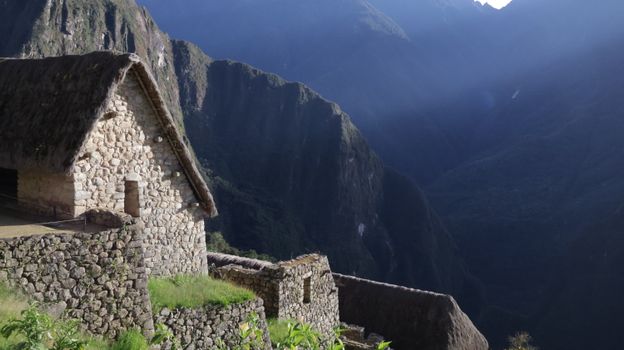
Get price-drop alerts and new guides from BoldTripGuide
One email a week: price drops on the gear we recommend, new guides, and what changed. No spam, unsubscribe anytime.