Peru Car Rental Guide: Sacred Valley and Cordillera Blanca
How to rent a car in Peru for 2026: requirements, agency rates, insurance, road conditions, and booking tips for the Sacred Valley and Cordillera Blanca.

This post may contain affiliate links. Disclosure
Peru’s Sacred Valley and the high-altitude Cordillera Blanca reward drivers who go it alone. Skip the guided van and you get sunrise light on the Inca terraces on your own schedule, plus the freedom to push on toward Huaraz’s glacier country without asking a tour operator to rework the itinerary. Cusco’s rental counters aren’t complicated, but they have real rules: license validity windows, a firm minimum age, and daily rates that swing by provider and season. Rent A Car Peru, Thrifty, Dollar, Hertz, Wellas Rent a Car, and Ace all run desks out of Cusco, and the gap between the best and worst quote on the same vehicle class can run well past $10 a day. Here’s what actually matters before you sign the agreement.
Short answer: Peru accepts your home driver’s licence for up to six months from arrival, after which an International Driving Permit is recommended. Most agencies build 280 km of daily driving into the base rate. Economy cars run $24-32 USD a day and compacts $37-49, comfortably covering the Cusco and Sacred Valley loop.
Rental Requirements and Documentation

Peruvian agencies are strict about paperwork, but the list itself is short. A valid home driver’s license is accepted for up to six months from your arrival date, according to Rent A Car Peru’s FAQ. Past that six-month mark, an International Driving Permit is recommended, though not mandatory under the same FAQ. The minimum driver age across Rent A Car Peru’s fleet is 23 years, and a credit card is required to hold the security deposit - debit cards typically will not work for this step, so confirm your card type before you land.
Most companies, including Rent A Car Peru, build 280 km of driving into the base daily price. That’s a generous allowance for the loop between Cusco, the Sacred Valley towns, and onward toward Huaraz, and it’s rare to burn through it on a single day of sightseeing unless you’re covering serious ground.
If you’re picking up from Cusco’s Alejandro Velasco Astete International Airport, budget extra time at the rental counter regardless of which agency you booked with - staff will typically walk through the license, age, and deposit checks in person before handing over keys. Carry a printed copy of your reservation and be ready to show that your credit card has enough available limit to cover the hold; agencies verify this before releasing the vehicle. If you want a second source on paperwork before you travel, Rentago Peru, a local rental broker, publishes its own requirements page that’s worth a quick cross-check against what your specific agency tells you.
Vehicle Classes and Daily Rates
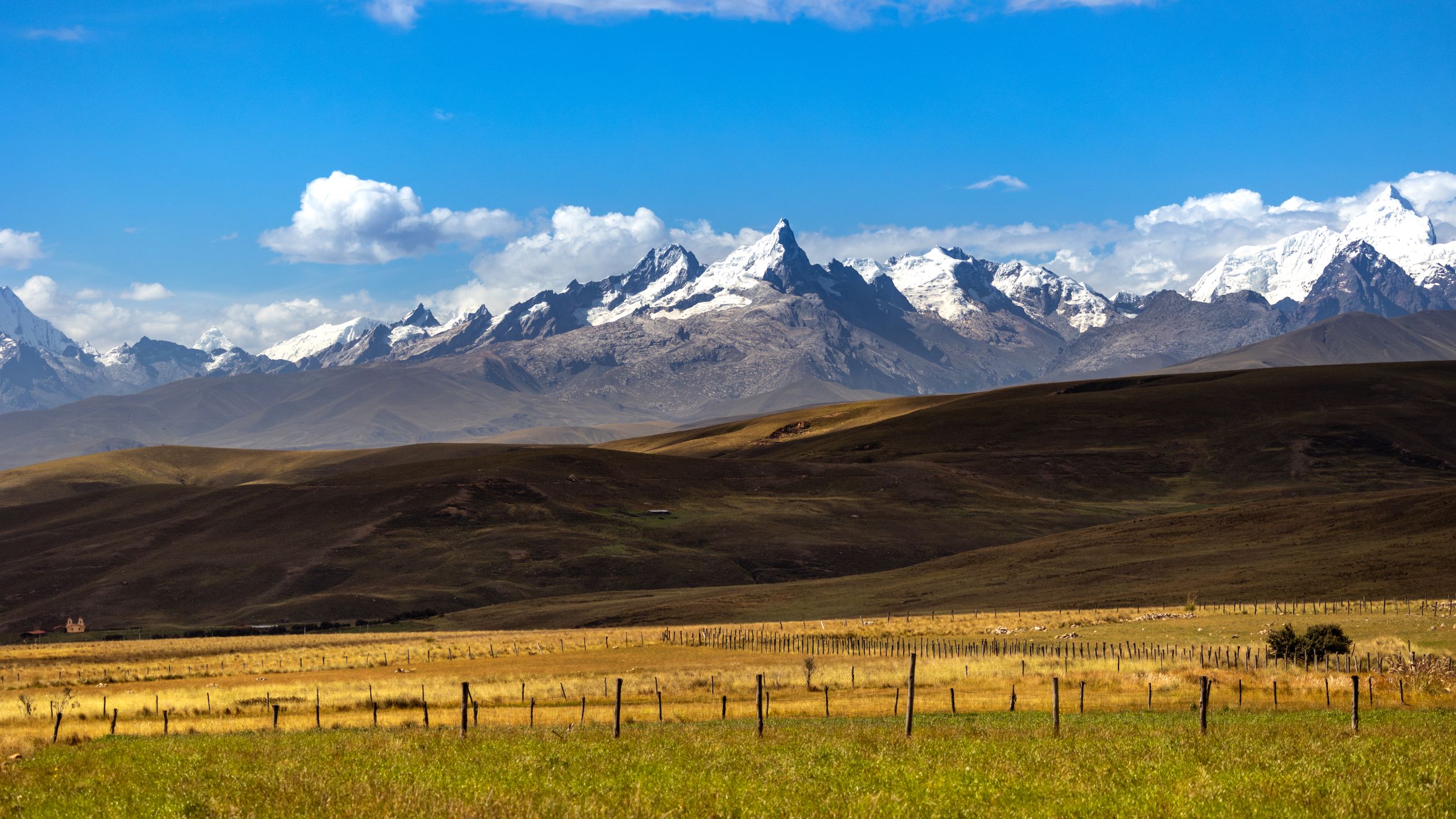
Peruvian car-rental fleets sort into four price bands:
| Class | Daily Range (USD) |
|---|---|
| Economy | $24-32 |
| Compact | $37-49 |
| SUV | $47-74 |
| Van | $49-130 |
Those bands hold across the six operators worth comparing: Rent A Car Peru, Thrifty, Dollar, Hertz, Wellas Rent a Car, and Ace. Per Kayak’s Cusco pricing data, the cheapest daily rate currently spotted in Cusco is $24 for an economy car, but shopping by company matters more than shopping by class. Thrifty consistently posts the lowest company-wide rate at $18.61 per day, with Dollar next at $21.71 and Hertz at $26.42. That’s roughly an $8 daily spread between the cheapest and most expensive of the three - real money over a five- or seven-day trip.
Timing your booking moves the number further. Kayak’s data shows booking roughly 79 days ahead of pickup shaves a meaningful chunk off the quoted price compared with booking closer to your travel date. March is the cheapest month to rent in Cusco outright, averaging $33 per day across all vehicle classes - useful to know if your travel dates have any flexibility at all. If you need extra clearance or cargo room for gear, the SUV band is the practical upgrade over compact for the rough, high-altitude stretches described below, though you’ll pay for it: SUVs run $47-74 a day against $37-49 for compact.
Beyond Cusco, Rentalcars.com maintains a separate listing page for Huaraz car hire if your route continues into the Cordillera Blanca - useful for comparing what’s available on the ground near the trailhead towns rather than only in Cusco.
Insurance Basics and Optional Coverage

Every Peruvian rental quote you’ll see already bakes in a Basic Collision Damage Waiver. That’s the baseline protection listed on the invoice whether you book with Thrifty, Hertz, Dollar, or any other agency on this list, and it covers most everyday accidental damage to the car. Beyond that baseline, agencies sell supplemental coverage as an optional add-on at checkout - separate purchases you can decline if you’re already covered another way.
If your credit card carries rental-car insurance as a cardholder benefit, you can lean on that instead of the agency’s optional add-ons - but confirm the coverage actually applies to Peru and to the vehicle class you’re booking before you decline anything at the counter. Rental insurance benefits vary enormously by card issuer and by whether you paid for the full rental with that specific card, and finding out the coverage doesn’t apply after an incident is the worst possible time to learn that. When in doubt, buy the agency’s supplemental coverage; it’s priced into the transaction as an optional line item precisely so you can weigh it against the deductible you’d otherwise be on the hook for.
Ask specifically what the Basic CDW does and doesn’t cover before you drive off - coverage details vary by agency, and getting a straight answer at the counter, in writing, is worth the extra five minutes it takes.
Safety: The U.S. State Department rates Peru Level 2 - Exercise Increased Caution. The UK Foreign Office notes a higher risk to safety in areas linked to organised crime and drug production, including the border areas with Ecuador, Colombia and Brazil, and the Valley of Apurimac, Ene and Mantaro rivers (VRAEM) (US advisory - UK FCDO, updated 2026-06-22).
Staying Safe on Peru’s Roads
Neither advisory singles out the Sacred Valley or the Cordillera Blanca as a heightened-risk zone - the specific concern flagged by the UK Foreign Office sits along the borders with Ecuador, Colombia, and Brazil, and in the VRAEM region, all well outside the Cusco-to-Huaraz corridor this guide covers. Still, a Level 2 country-wide rating is a real signal to drive with standard precautions: don’t drive after dark on unfamiliar mountain roads, keep vehicle doors locked in city traffic, and don’t leave valuables visible in a parked car in tourist hubs like Ollantaytambo or Cusco’s historic center.
The practical safety risk most travelers actually run into on this route isn’t crime - it’s the roads themselves. High-altitude driving in unfamiliar terrain, in a rental you haven’t driven before, is where trip-ending incidents happen. Treat the vehicle inspection at pickup as seriously as the paperwork: check tire tread, confirm the spare is present and inflated, and test the horn, which you’ll use constantly on blind switchback curves.
Road Realities in the Sacred Valley and Cordillera Blanca

The main routes connecting Cusco to the Sacred Valley and onward toward the Cordillera Blanca are paved for most of their length, but expect rough, potholed, or unpaved sections once you climb into the higher-altitude stretches. This isn’t a highway system built for speed - it’s a mountain network, and your average pace will be slower than the map’s straight-line distance suggests.
Parking is the other recurring friction point. Popular stops including Ollantaytambo and Huaraz both see real parking pressure during the day, and neither town was built with rental-car volume in mind. Build slack into your schedule for finding a spot rather than assuming you’ll pull up next to whatever you came to see. If you’re staying somewhere in either town, ask ahead about parking access rather than discovering the answer on arrival.
Altitude changes how the trip feels behind the wheel, even if the road surface is fine. You’re moving between Cusco’s roughly 3,400-meter elevation, higher passes above that as you cross toward the Cordillera Blanca, and lower points down in the Sacred Valley itself. Give yourself more following distance on climbs and descents than you would at sea level, and don’t assume an SUV’s extra power fully offsets thinner air at altitude - plan overtakes with more margin than usual. For the Cordillera Blanca leg specifically, Peru’s official tourism board profiles the Ancash region and Huaraz as the gateway to that range, which is a useful planning reference if you’re extending the trip past the Sacred Valley into serious mountain territory.
Booking Strategies and Savings Tips
- Book around 79 days ahead. Kayak’s pricing data shows a clear advantage to locking in your reservation roughly two and a half months before pickup rather than waiting.
- Target March if your dates flex. The average daily rate across all vehicle classes drops to $33 in March, the cheapest month tracked for Cusco rentals.
- Compare companies, not just classes. Thrifty’s $18.61 daily rate beats Dollar’s $21.71 and Hertz’s $26.42 for what can be a comparable car - shop the agency list, not just the vehicle category.
- Weigh Wellas Rent a Car and Ace for flexibility. Of the agencies covered here, these two operate the most locations in Cusco, which is worth knowing if your plans might shift after you land.
- Use the airport desk. Cusco’s Alejandro Velasco Astete International Airport has rental counters on site, which simplifies the handoff if you’re flying straight in and driving out.
- Confirm your mileage allowance before you sign. The standard 280 km per day covers most Sacred Valley day trips comfortably, but don’t assume every quoted rate includes the same allowance - check the contract line item directly.
- Cross-shop a second listing source. Rentalcars.com’s Huaraz-specific listings and Rentago Peru’s requirements page are both worth a look alongside Kayak’s Cusco data, especially if your itinerary splits time between the two regions.
Stack the timing advice with a direct company comparison and you can realistically land a meaningfully lower daily rate than the first quote you see, without giving up the coverage or mileage you actually need.
Common Mistakes to Avoid
- Letting your home license run past the six-month window without an IDP. The FAQ language calls an International Driving Permit “recommended” rather than mandatory, but that’s a gray area you don’t want to test roadside - get the permit before you travel if your trip pushes past six months of license validity.
- Assuming every quote includes the same mileage. The 280 km daily allowance is standard with Rent A Car Peru, but don’t extrapolate that to every agency’s every rate - confirm it in writing for whatever company and rate you actually book.
- Skipping the insurance comparison. Basic CDW is included everywhere, but whether you need the optional supplemental coverage depends entirely on what your credit card already covers - check that before you’re standing at the counter being asked to decide.
- Underestimating parking in Ollantaytambo and Huaraz. Both towns see real parking pressure, and losing thirty minutes hunting for a spot cuts directly into daylight you wanted for the ruins or the trailhead.
- Booking on class alone instead of company. An SUV from one agency and an SUV from another aren’t priced the same - Thrifty, Dollar, and Hertz show real spread even within a single vehicle class, so the cheapest “SUV” search result isn’t always the cheapest SUV available.
- Ignoring the credit card requirement for the deposit. Rent A Car Peru requires a credit card, not a debit card, to hold the security deposit - confirm you’re traveling with the right card type well before pickup day.
Handle the paperwork correctly, shop companies instead of just classes, and respect the altitude and the parking reality in Ollantaytambo and Huaraz, and the driving portion of a Sacred Valley and Cordillera Blanca trip becomes what it should be: the best way to see both places on your own schedule.
Related Reading
Get price-drop alerts and new guides from BoldTripGuide
One email a week: price drops on the gear we recommend, new guides, and what changed. No spam, unsubscribe anytime.