La Fortuna Adventure Travel Guide
The adventure traveler's guide to La Fortuna: seasons, logistics, getting around, and the best basecamps.
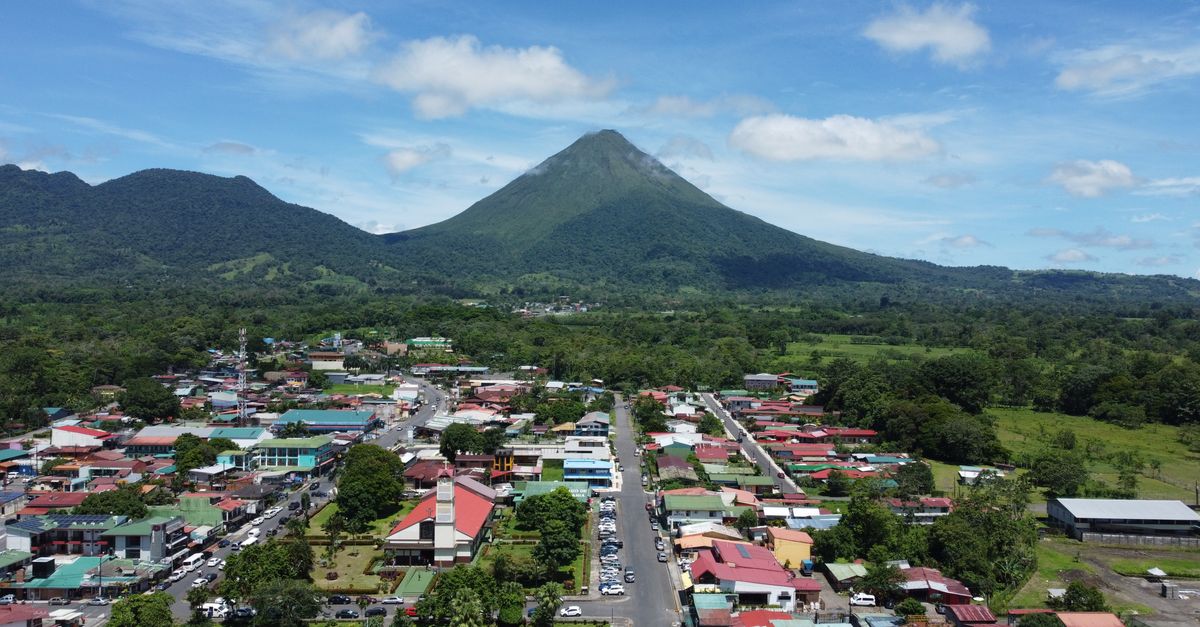
La Fortuna, Costa Rica
Quick Facts
Safety score derived from the U.S. State Department Travel Advisory for Costa Rica: Level 2 (Exercise Increased Caution), as of 2026-07-08. Country-level guidance; check local conditions before you go.
Welcome to La Fortuna: The Adventure Hub of Costa Rica
 Photo: Arenal Volcano seen from La Fortuna, Costa Rica.jpg by Central Intelligence Agency (Public domain), via Wikimedia Commons
Nestled at 253 m (830 ft) above sea level in the heart of San Carlos canton, La Fortuna is the launchpad for every adrenaline junkie who wants to wrestle with volcanoes, zip through cloud forests, and chase river rapids. With a 2011 census population of roughly 15,383, the town punches well above its weight, offering a compact base where gear shops, guide offices, and hearty eateries sit shoulder‑to‑shoulder. Its coordinates—10°26′54″N 84°38′32″W—place you less than 10 km from the iconic Arenal Volcano and a short 20 km sprint to the Arenal Volcano National Park entrance, according to Wikipedia. Whether you’re rolling in on a rented ATV, flying in via the nearby Arenal Airport (just 7 km east), or trekking in from the highlands, La Fortuna is wired for high‑octane exploration.
Neighborhoods to Know
La Fortuna Town Center
 Photo: San Juan Bosco LaFortuna 4.jpg by ChristianeB (CC BY-SA 4.0), via Wikimedia Commons
The pulse of the town beats in the center, where most hotels, restaurants, and tour operators cluster around the parish church of San Juan Bosco. This is the place to swap stories over a plate of gallo pinto, lock down your next zip‑line canopy, and pick up spare parts for your bike or kayak. Because the hub is built around the tourism industry, you’ll find multiple rental desks for cars, ATVs, and dirt bikes right on the main street—perfect for quick gear swaps before a canyoning session.
Arenal Volcano Area
Photo: Arenal Volcano seen from La Fortuna, Costa Rica.jpg by Central Intelligence Agency (Public domain), via Wikimedia Commons
Just a stone’s throw from the dormant giant, the Arenal Volcano area is the gateway to the national park’s network of trails, hot springs, and viewpoint decks. The proximity (under 10 km) means you can roll out of bed, strap on your crampons, and be on the crater rim before lunch. This zone also hosts a concentration of adventure outfitters offering guided white‑water rafting on the nearby Río Arenal, mountain‑bike tours that snake through lava fields, and horseback rides that hug the volcano’s lower slopes.
Cerro Chato Vicinity
 Photo: Cerro chato crater lake.JPG by Lars0001 (Public domain), via Wikimedia Commons
If you crave a hike that mixes volcanic geology with waterfall drama, head toward Cerro Chato. The dormant Chato volcano rises behind Arenal, and its trailhead sits just outside town. The route delivers a steep climb, a rewarding crater lake, and a cascade that drops into a natural pool—ideal for a post‑summit splash. Gear‑friendly services in this vicinity include bike‑friendly lodges and local guides who know every hidden ledge and rope‑fix.
Top Things to Do in La Fortuna
Once you’ve settled into a basecamp, here’s where to actually burn off the adrenaline. These are the sights and trails that anchor every itinerary out of La Fortuna.
1. Arenal Volcano
The stratovolcano that gives the region its name and its skyline, Arenal is one of Costa Rica’s most active volcanoes historically, with a near‑perfect cone visible from town on a clear day. It’s the backdrop to nearly everything you’ll do here, from hot‑spring soaks to zip‑line runs.
2. Arenal Volcano National Park
Established around the volcano, this national park protects a network of lava‑field trails, rainforest, and viewpoint decks about 20 km from town. Rangers maintain marked routes that let you get close to old lava flows without the technical gear a summit attempt would require.
3. Lake Arenal
Costa Rica’s largest lake, formed behind a hydroelectric dam, sits just west of town and is a windsurfing and kayaking hotspot thanks to steady afternoon winds funneling through the valley. It’s an easy add‑on day trip if you want flat water between whitewater sessions.
4. Cerro Chato (Chato Volcano)
This dormant volcano behind Arenal holds a crater lake, Laguna Cerro Chato, at its summit—reached by a steep, muddy trail that rewards climbers with a swimmable crater‑rim pool. Pair it with the vicinity’s waterfall trail for a full day of vertical gain.
5. Tenorio Volcano National Park (Río Celeste)
About 1.5 hours from La Fortuna, this park protects the famously turquoise Río Celeste, whose color comes from a mineral reaction where two clear streams converge. Most La Fortuna tour operators run it as a full‑day trip with hiking boots and a swimsuit both required.
Book tickets & skip-the-line tours: Browse La Fortuna experiences
Getting Around
 Photo: La Fortuna town, Arenal volcano, Costa Rica - panoramio.jpg by Erick Hidalgo (CC BY 3.0), via Wikimedia Commons
Mobility in La Fortuna is built for the rugged traveler. Local rental agencies line the town center, offering everything from compact 4×4s to ATVs and dirt bikes—essential for tackling the unpaved routes that thread through the rainforest (National Routes 4, 141, 142, 702, 936, per Wikipedia). If you prefer to leave the driving to someone else, taxis and shuttle services run on demand, many of which are operated by the same tour companies that run zip‑line and rafting trips. For the truly gear‑laden, consider renting a cargo‑rack‑ready vehicle; the extra space will save you from cramming a mountain‑bike frame into the back seat.
Safety & Practical Notes
The U.S. State Department rates Costa Rica Level 2 (Exercise Increased Caution) (as of 2026-07-08). La Fortuna’s adventure scene is as safe as you make it—knowledge, preparation, and respect for the elements are non‑negotiable. Tap water here is generally safe to drink; Costa Rica’s public water system is among the most reliable in Central America, though many travelers still carry a reusable filter bottle for backcountry days. Electrical outlets are the standard North‑American Type A/B at 120V, so pack a universal adapter if your gear uses a different plug. In an emergency, dial 911.
When tackling white‑water rafting or canyoning, always rope up with a certified guide and double‑check that your personal flotation device meets local standards. For mountain‑bike descents on the volcanic ash trails, a full‑face helmet, knee pads, and a sturdy bike lock are essential—trail theft is rare but not unheard of. Arenal itself is classified as an active volcano, so keep an eye on Comisión Nacional de Prevención de Riesgos y Atención de Emergencias (CNE) alerts, especially during the rainy season when volcanic gas emissions can spike.
Best Time to Visit
 Photo: La Fortuna Waterfall in Alajuela province, Costa Rica.jpg by Bravodelnorte (CC BY-SA 4.0), via Wikimedia Commons
Adventure in La Fortuna is a year‑round proposition, but the sweet spot for most activities lands between December and April. These dry‑season months bring clearer skies for zip‑lining, more predictable river flows for rafting, and cooler evenings for night hikes up Cerro Chato. The rainy season (May‑November) ramps up river volume, turning white‑water runs into high‑adrenaline torrents—perfect for seasoned rafters—but it also means muddy trail conditions and occasional road washouts on the secondary routes. Pack a breathable rain jacket, waterproof gear bags, and quick‑dry clothing regardless of the month; tropical weather loves to surprise.
Where to Stay
 Photo: Baldi Hot Springs, Fortuna, San Carlos, Costa Rica.jpg by John Menard from Phoenix, USA (CC BY-SA 2.0), via Wikimedia Commons
After a day of crushing volcano slopes or carving river rapids, you’ll need a solid basecamp. La Fortuna offers a range of lodges that blend comfort with easy access to trailheads and river ports. For a curated list of the best hotels, hostels, and eco‑lodges that cater to adventure travelers, check out our full hotel guide. Whether you’re after a jungle‑front cabin with a private hot spring or a boutique hostel with a communal gear room, the guide breaks down options by proximity to the volcano area, bike routes, and rafting launch points.
Gear up, lock in your itinerary, and let La Fortuna’s volcanic backdrop fuel your next epic adventure.
Frequently Asked Questions
How far is La Fortuna from Arenal Volcano and the national park?
The town sits less than 10 km from Arenal Volcano and about 20 km from the Arenal Volcano National Park entrance, making day trips to both sites a quick hop, according to Wikipedia.
What are the main adventure activities available locally?
Zip-lining, white-water rafting, canyoning, mountain biking, and horseback riding dominate the scene, with dozens of operators offering guided experiences throughout the district (source: Wikipedia).
Which transportation options are best for carrying gear?
Renting a 4x4, ATV, or dirt bike from a local agency gives you the clearance and cargo capacity needed for bulky equipment. Taxis and shuttle services are also available but may have limited space for large gear.
When is the optimal season for zip-lining and hiking?
The dry season from December through April offers the most reliable weather for canopy tours and summit hikes, while the rainy season boosts river flow for rafting but can make trails slick and muddy.
Related Guides
Upcoming Holidays
Costa RicaGet price-drop alerts and new guides from BoldTripGuide
One email a week: price drops on the gear we recommend, new guides, and what changed. No spam, unsubscribe anytime.