Car Rental Guide: Baja California, Mexico 2026 - Essential Tips
Everything you need to rent a car in Baja California in 2026: requirements, price bands, mandatory insurance, road conditions, and toll costs.

This post may contain affiliate links. Disclosure
Baja California’s dramatic coastline, desert highways, and surf-ready towns make it a magnet for adventure seekers. The region’s MX-1 toll road links Tijuana to Ensenada in under two hours, while the Transpeninsular Highway opens up remote surf camps and whale-watching spots further south. Renting a car gives you the freedom to chase sunrise at La Bufadora, explore the vineyards of Valle de Guadalupe, and hop off the beaten path without relying on infrequent buses. In 2026 the market is competitive: major brands sit alongside budget locals, and the legal landscape is clear about insurance and documentation. Below is a no-fluff guide to what to bring, what to expect on the road, and how to keep costs in check.
Short answer: Baja agencies rent from age 21 with a licence held at least a year and a credit card for the deposit; an International Driving Permit is recommended. Mexican liability insurance is required by law and already included in every quoted price. Optional collision and theft cover adds roughly $10-20 USD per day.
Driver Requirements & Documentation

Renting a car in Baja is straightforward if you have the basics covered. All agencies require a driver’s license from your home country that is valid for at least one year. Avis explicitly states that its age selection starts at 21 years old. Hertz follows the same rule and offers a full range from economy to SUV classes at its Tijuana International Airport desk. A credit card (Visa or MasterCard) is needed for the security deposit; cash deposits are rarely accepted. For non-Spanish speakers an International Driving Permit (IDP) is recommended - it’s a common practice in Mexico and smooths interactions with local police. If you travel with a teenager, be aware that most firms add a young-driver surcharge and may limit vehicle class.
Bring your passport along with your license; agencies use it to verify identity against the credit card on file, and border-adjacent locations like Tijuana check documentation more carefully than interior offices. If your home license isn’t in Latin script, pair it with the IDP rather than relying on the license alone - it saves time at the counter and at any police checkpoint you pass on the road.
Pricing by Vehicle Class
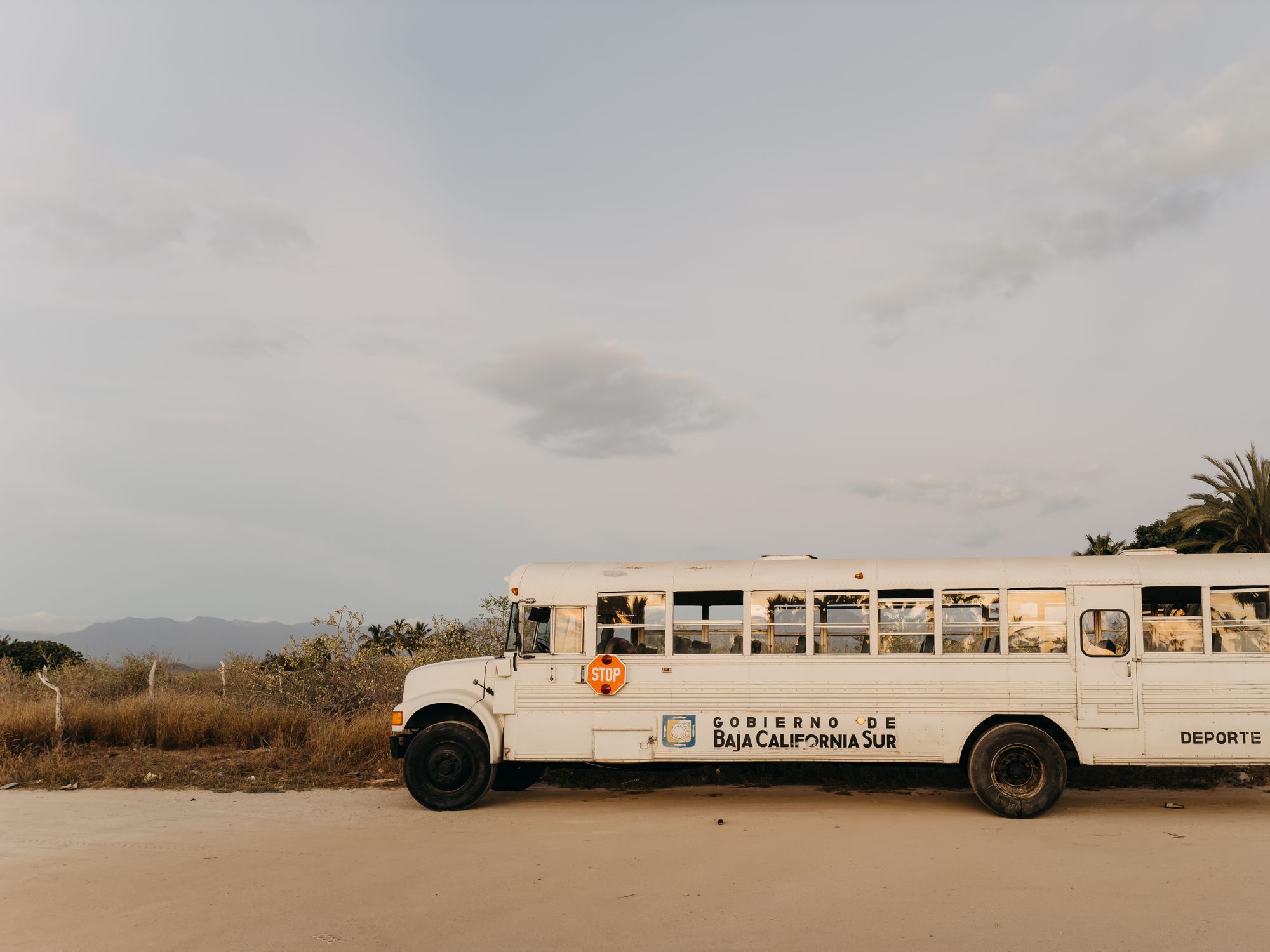
Baja’s rental market splits cleanly into four price bands. Economy models such as the Kia Rio or Chevrolet Aveo run $5-8 USD per day, with Green Motion, Fox and MexRentACar advertising rates as low as $5-6 USD/day. The average September economy price drops to about $21 USD/day, the cheapest month of the year on Kayak’s tracking. Intermediate cars - think Volkswagen Vento - cost $19-22 USD/day. Full-size options like the Chevrolet Impala sit in the $24-32 USD/day range. If you need cargo space or higher clearance for gravel sections, SUVs (Nissan X-Trail, Mitsubishi Outlander) run $52-62 USD/day. Alamo, the most popular agency on Kayak for Baja rentals, operates three locations across the state and often bundles competitive rates alongside Avis and Hertz.
The gap between the cheapest economy quote ($5-6/day from Green Motion, Fox, or MexRentACar) and the September average ($21/day) is a reminder that headline rates and realistic rates aren’t the same thing - taxes, mandatory insurance, and airport surcharges close most of that gap by checkout. Treat any quote well below $20/day as a starting point for comparison, not a number to budget against.
Class choice should follow your itinerary, not your budget alone. An economy Kia Rio or Chevrolet Aveo is fine for a straight run down the MX-1 toll corridor to Ensenada and Valle de Guadalupe, where roads are paved and well maintained. Once you’re heading further south on the Transpeninsular Highway toward surf camps or whale-watching areas, the intermediate and full-size classes buy more comfortable highway cruising over longer distances, and the SUV band earns its higher $52-62/day rate the moment gravel, sand, or washboard sections show up on your route. If two or more of you are splitting gear - boards, coolers, camping kit - the SUV’s cargo space usually pencils out cheaper than renting a roof box for a smaller car.
Insurance - What’s Mandatory and What’s Optional

Mexican liability insurance is not optional - it’s required by law and already included in every quoted price. This coverage protects third parties in the event of an accident and satisfies local authorities. Beyond the mandatory layer, agencies sell optional add-ons: Collision-Damage Waiver (CDW), theft protection, and personal accident coverage. These can add $10-20 USD per day depending on the provider and vehicle class. If you already have a credit card that offers rental-car insurance, verify that it extends to Mexico; many U.S. cards exclude coverage outside the United States entirely. Remember that the mandatory liability portion does not cover damage to your own vehicle, so opting for CDW is wise if you plan to tackle unpaved mountain roads or gravel spurs off the Transpeninsular Highway.
Read the fine print on the CDW deductible before you sign - a policy that adds $10/day but carries a $2,000 deductible offers less real protection than one at $15/day with a $500 deductible. Ask the counter agent to write both numbers on your rental agreement so there’s no ambiguity if you need to file a claim. If you’re renting for a week or more, run the math on whether a day-rate add-on or a single trip-length policy purchased in advance costs less overall; some independent agencies price CDW as a flat multi-day bundle rather than a per-day charge.
Road Realities - Speed Limits, Toll Roads, Rural Conditions
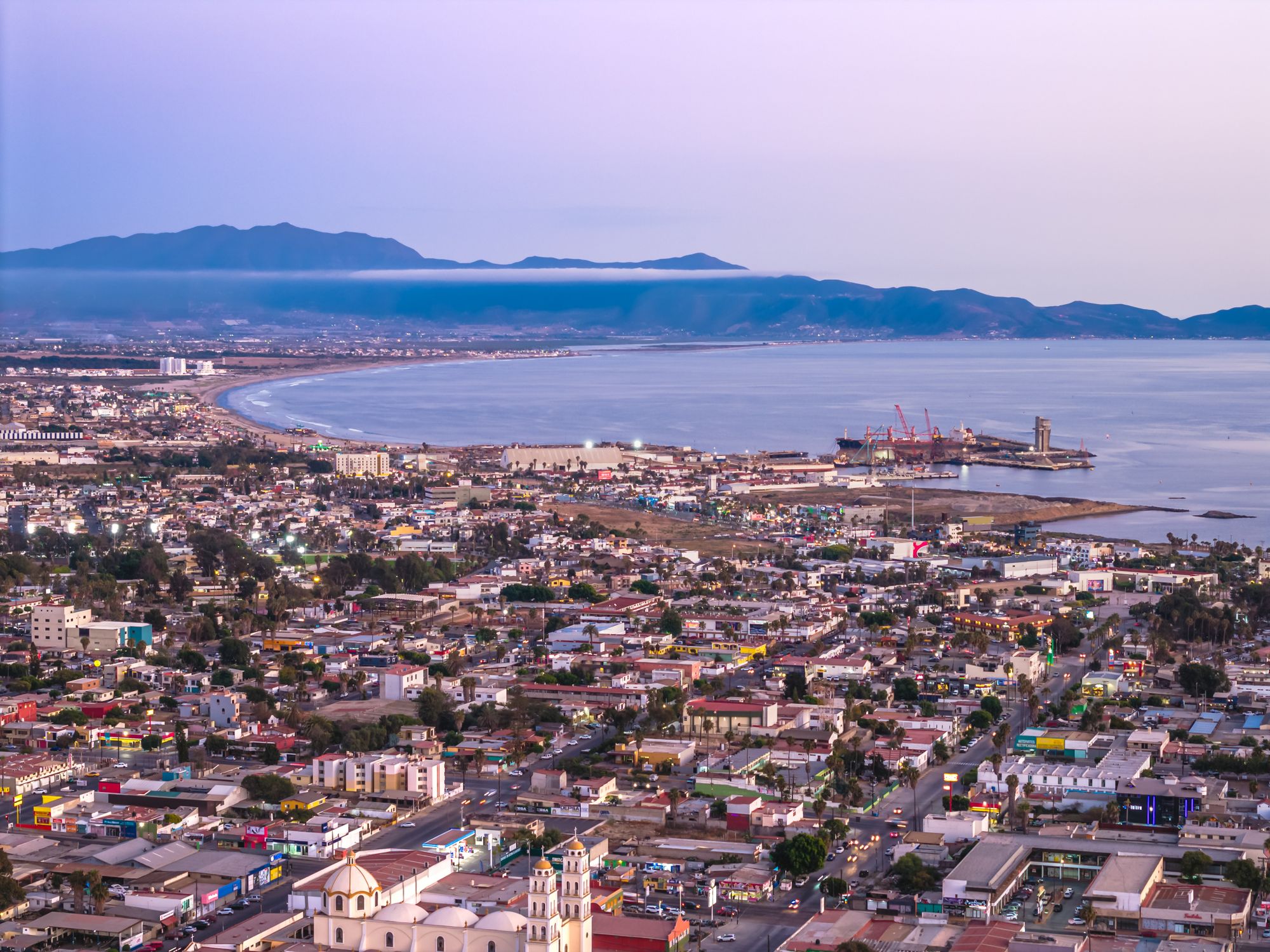
Speed limits on Baja’s highways are clearly posted: 90 km/h (55 mph) on open stretches, 60 km/h (37 mph) on winding sections, and 40 km/h (25 mph) in towns and school zones. The toll road MX-1 (Tijuana-Ensenada) is the fastest way south; TollGuru’s 2026 calculator shows the segment costs roughly $8-$10 USD for a standard car. Payments can be made with cash, credit card, or electronic TAG; the “Libramiento de Mexicali” toll is managed by CAPUFE and accepts all three. Beyond the main highway, many rural roads are narrow, unpaved, or single-track, and bridges may only allow one vehicle at a time. Expect occasional dust storms and watch for stray livestock, especially near agricultural zones. The Secretaria de Infraestructura, Comunicaciones y Transportes (SICT) publishes road-network information for Baja California, and Mexico Tolls maintains the official CAPUFE toll schedule for the region.
Two road classes matter for trip planning: cuotas (toll roads) and libres (free roads). The MX-1 cuota between Tijuana and Ensenada is the fastest and best-maintained option, with clear signage and shoulder space for a breakdown. Its libre parallel is slower, narrower, and winds through more populated stretches, which can mean more stop-and-go around Rosarito and Popotla. For a first Baja trip, paying the $8-$10 toll is worth it for the time saved and the wider margin for driver error - save the libre routes for later trips once you’re comfortable with local driving norms.
Safety Snapshot: Mexico Travel Advisory
The U.S. State Department currently rates Mexico at Level 2: “Exercise Increased Caution,” a national baseline that varies by state - Baja California and Baja California Sur have historically tracked at or near this level, largely due to crime concerns rather than road infrastructure. The UK Foreign, Commonwealth & Development Office puts it plainly: “Crime is a risk to foreign nationals in Mexico, particularly in major cities and tourist resort areas. Street crime is a serious issue in these places.” For drivers, the practical takeaway is to avoid driving after dark on unfamiliar rural roads, keep valuables out of sight in a parked car, and stick to the toll roads (cuotas) over free roads (libres) where a parallel option exists - tolls generally mean better lighting, more patrols, and fewer surprises. Full details: U.S. State Department Mexico advisory and UK FCDO Mexico advice.
Practical Tips for a Smooth Baja Drive

- Pick up at the airport. Avis, Hertz and Alamo all have desks inside Tijuana International Airport, letting you start your journey the moment you land. From there, head south on the toll-road MX-1 for a smoother drive to Ensenada and the Pacific coast.
- Choose the right vehicle for gear. If you’re hauling surfboards, camping equipment, or a cooler, rent an SUV or small pickup (price band $52-62 USD/day) for extra cargo space and better clearance on gravel sections.
- Plan for tolls. Bring a small amount of cash for toll booths that don’t accept cards, but most major plazas now read TAGs and credit cards. A prepaid TAG can shave minutes off each stop.
- Avoid airport rush hour. Late-day returns can get chaotic; schedule an early check-out or a late return to bypass the busiest windows. Most agencies allow 24-hour extensions for a modest fee - handy if you’re crossing the border late at night.
- Stay fueled. Gas stations become sparse after San Quintin; fill up whenever you see a pump. Prices are listed in pesos but most accept USD; keep small change for exact amounts.
- Carry a spare tire and basic tools. Rural stretches can leave you stranded for hours if a puncture occurs. A compact tire repair kit and a high-visibility vest are inexpensive lifesavers.
- Photograph the car at pickup. Walk the full exterior with your phone camera before you drive off the lot - existing scratches and dents documented up front are the single easiest way to avoid a disputed damage charge at drop-off.
- Keep your rental agreement accessible. Baja has occasional military and police checkpoints on the main highways; having your agreement, license, and passport within reach speeds up what is usually a routine stop.
- Download offline maps before you leave cell coverage. Signal drops out along stretches of the Transpeninsular Highway south of Ensenada; a downloaded map means a wrong turn onto a libre road doesn’t turn into a longer detour than it needs to be.
Common Mistakes to Avoid (FAQ Style)
Q: Can I use my U.S. driver’s license without an IDP? A: Legally you can, but police officers often request an IDP if you don’t speak Spanish. It’s cheap, easy to obtain, and avoids potential fines.
Q: Are the quoted prices truly all-inclusive? A: Yes, Mexican liability insurance is bundled, but watch for optional add-ons like CDW, theft protection, and airport surcharges. Always read the fine print before confirming.
Q: Do I need a separate Mexican credit card for tolls? A: No. Most toll plazas accept Visa/MasterCard, and the electronic TAG works with any card linked to your account. Cash is still accepted at smaller booths.
Q: Is it safe to drive at night on rural roads? A: Night driving is possible but not recommended on unpaved sections due to limited lighting and wildlife, and it runs against the general advisory guidance to avoid unfamiliar roads after dark. If you must, keep headlights on high beam and drive slower than the posted limit.
Q: What happens if I exceed the mileage limit? A: Most Baja rentals come with unlimited mileage. Verify this at pickup; a few budget firms may impose a daily cap, which can add costly per-kilometer fees.
Q: Which agency should I book with for the best combination of price and coverage? A: Alamo’s three in-state locations and Kayak popularity make it a solid default for straightforward trips. Green Motion, Fox, and MexRentACar undercut it on headline price but are worth vetting for pickup-location convenience before you commit, since Tijuana Airport counter access is the deciding factor for most itineraries described above.
Q: Can I cross into the U.S. mainland in a Mexican rental car? A: Policies vary by agency and most standard Baja rentals are not permitted to cross the border in either direction. If a cross-border trip is part of your plan, confirm it with the counter agent before you sign, since an unauthorized crossing can void your insurance entirely.
Related Reading
Get price-drop alerts and new guides from BoldTripGuide
One email a week: price drops on the gear we recommend, new guides, and what changed. No spam, unsubscribe anytime.