Car Rental Guide for Croatia's Dalmatian Coast 2026
Everything you need to rent a car on Croatia's Dalmatian Coast in 2026: age rules, price bands, insurance, tolls, and on-the-ground driving tips.

This post may contain affiliate links. Disclosure
The Dalmatian Coast is a ribbon of turquoise sea, limestone cliffs, and historic towns that begs to be explored by wheel. In 2026 the region is more accessible than ever, but a smart rental strategy is the difference between a smooth sunrise drive from Split to Dubrovnik and a series of costly surprises. This guide distills the hard facts - age limits, price bands, mandatory insurance, toll quirks, and parking realities - so you can lock in the right vehicle, stay within budget, and focus on the road ahead.
Short answer: Croatia’s legal minimum is 18, but most companies enforce 21 for standard cars and 23 for SUVs and premium classes, with the licence held at least one full year. Non-EU drivers should carry an International Driving Permit. Economy cars run about $27-45 a day; SUVs climb toward $90-130 in peak season.
Rental Requirements

Renting a car in Croatia follows EU-standard paperwork, but a few local nuances can trip up first-time drivers. The legal minimum age to rent is 18 years, yet most companies enforce a 21-year threshold for the majority of their fleet, and 23 years for larger classes such as SUVs or premium models. Your driver’s licence must have been held for at least one full year, and an International Driving Permit is strongly recommended if your licence wasn’t issued by an EU member state.
All major operators on the coast - Alamo, Sixt, Enterprise, National, Green Motion, Carwiz, Avia, and addCar - require a credit card in the driver’s name for the security deposit; cash deposits are rarely accepted. The card is blocked for the rental period and released after a vehicle inspection at return. If you’re under 25, expect a young-driver surcharge of EUR 15-30 per day. Booking early, especially for July and August, not only secures the vehicle you need but also locks in lower rates before the seasonal surge pushes prices toward the top of every band below.
Beyond the age and licence rules, the practical hurdle most first-timers hit is simply not budgeting for the young-driver surcharge alongside the base rate. A EUR 25/day economy quote can look like a bargain until a EUR 30/day surcharge for a 23-year-old renter effectively doubles the daily cost - so run the full math before comparing headline prices between agencies.
None of these requirements are unique to Croatia by EU standards, but the mix of a wide agency roster - from global names like Sixt and Enterprise down to local operators like Carwiz and addCar - means terms vary more than they would with a single dominant provider. It’s worth reading each agency’s age and surcharge policy individually rather than assuming a Sixt quote and a Carwiz quote for the same car class carry identical fine print, especially around the 23-year threshold for SUV and premium classes.
Where and How to Pick Up
Split, Dubrovnik, and Zadar airports each host a full roster of agencies, and picking up at the airport rather than a city-center branch generally gives you the widest selection of both vehicle classes and pickup-time flexibility - useful if your itinerary is built around an early flight or a ferry connection later the same day. City-center branches exist too, but availability narrows for anything beyond economy and compact classes, particularly during the July-August peak when demand across the whole coast climbs at once.
Cost by Vehicle Class
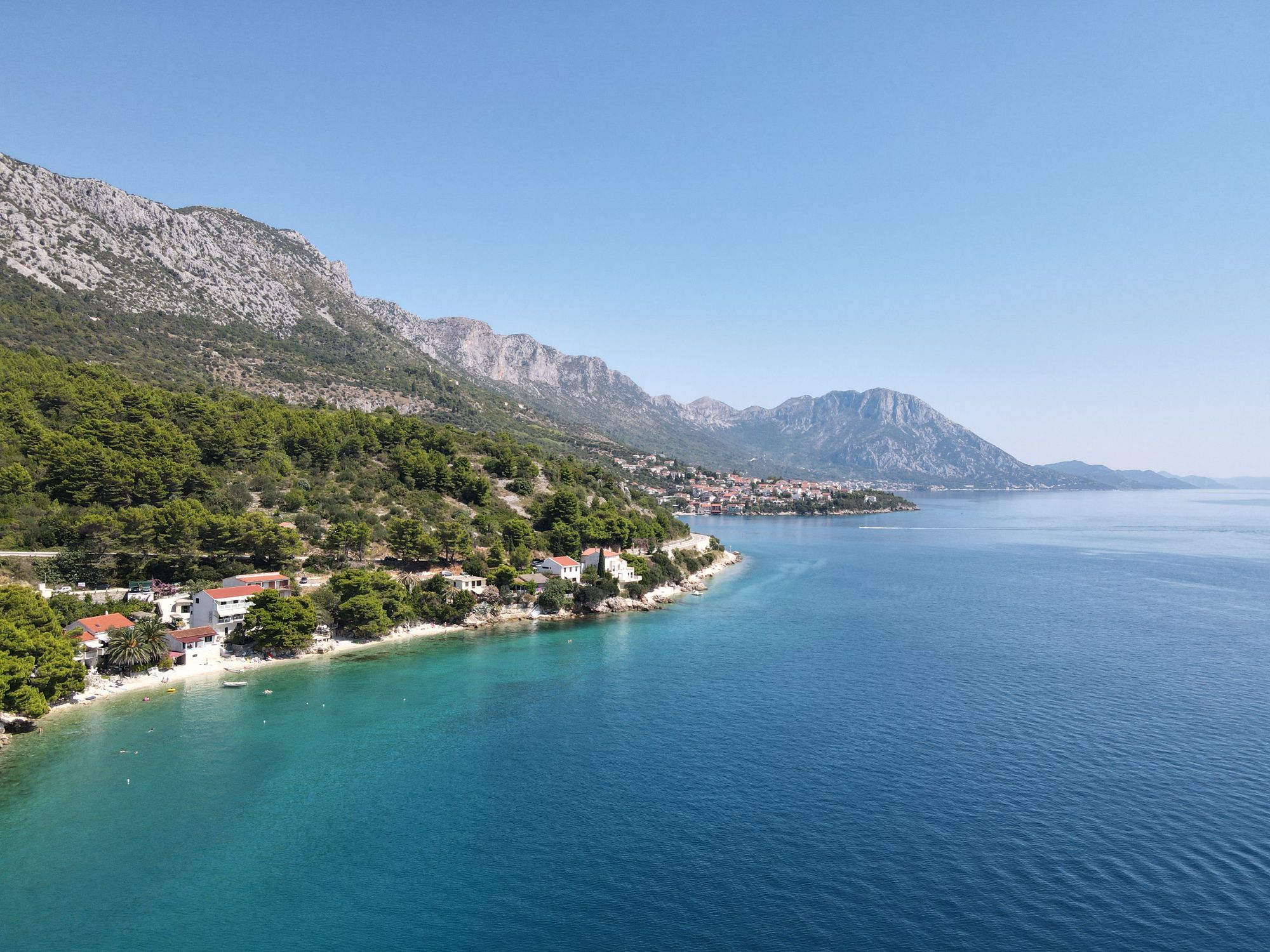
Understanding the price landscape helps you match your budget to the terrain. Economy models - think VW Up or Renault Clio - run EUR 25-40 per day off-season and EUR 40-90 per day in peak summer (roughly $27-45 / $44-99). Compact cars such as the Opel Astra sit in the $55-80/day range, while a Skoda Octavia in the standard class runs $70-110/day. If you need extra clearance for Biokovo or Velebit trailheads, an SUV like the Hyundai Bayon runs $90-130/day. Premium options such as an Audi A4 run $130-200/day.
| Class | Example Model | Daily Rate |
|---|---|---|
| Economy | VW Up, Renault Clio | $27-45 off-season / $44-99 peak |
| Compact | Opel Astra | $55-80 |
| Standard | Skoda Octavia | $70-110 |
| SUV | Hyundai Bayon | $90-130 |
| Premium | Audi A4 | $130-200 |
When you compare offers, the aggregator DiscoverCars shows real-time pricing across the full roster of agencies at Split, Dubrovnik, and Zadar airports. Worth flagging: the cheapest daily rate spotted for Split Airport was as low as $6.09/day at Avia Rent A Car - but ultra-low headline prices like that one often exclude insurance entirely or carry restrictive mileage caps, so read the fine print before you book on price alone. A full-to-full fuel policy paired with unlimited mileage is the most common and cost-effective combination on the coast; both protect you from the hidden surcharges that turn up when you refuel at the return desk or exceed a kilometre limit you didn’t realize was in the contract.
The off-season-to-peak-season jump on economy cars - roughly EUR 25-40 climbing to EUR 40-90 - is the single biggest lever on total trip cost if your dates are flexible at all. Shifting a two-week rental from August into late May or September can be worth more in savings than downgrading a vehicle class, since the seasonal swing on the same car is larger than the gap between economy and compact. If your travel dates are fixed to peak summer, booking the moment your dates are confirmed still matters, since the cheapest inventory in each class disappears well before the departure date.
Insurance Essentials
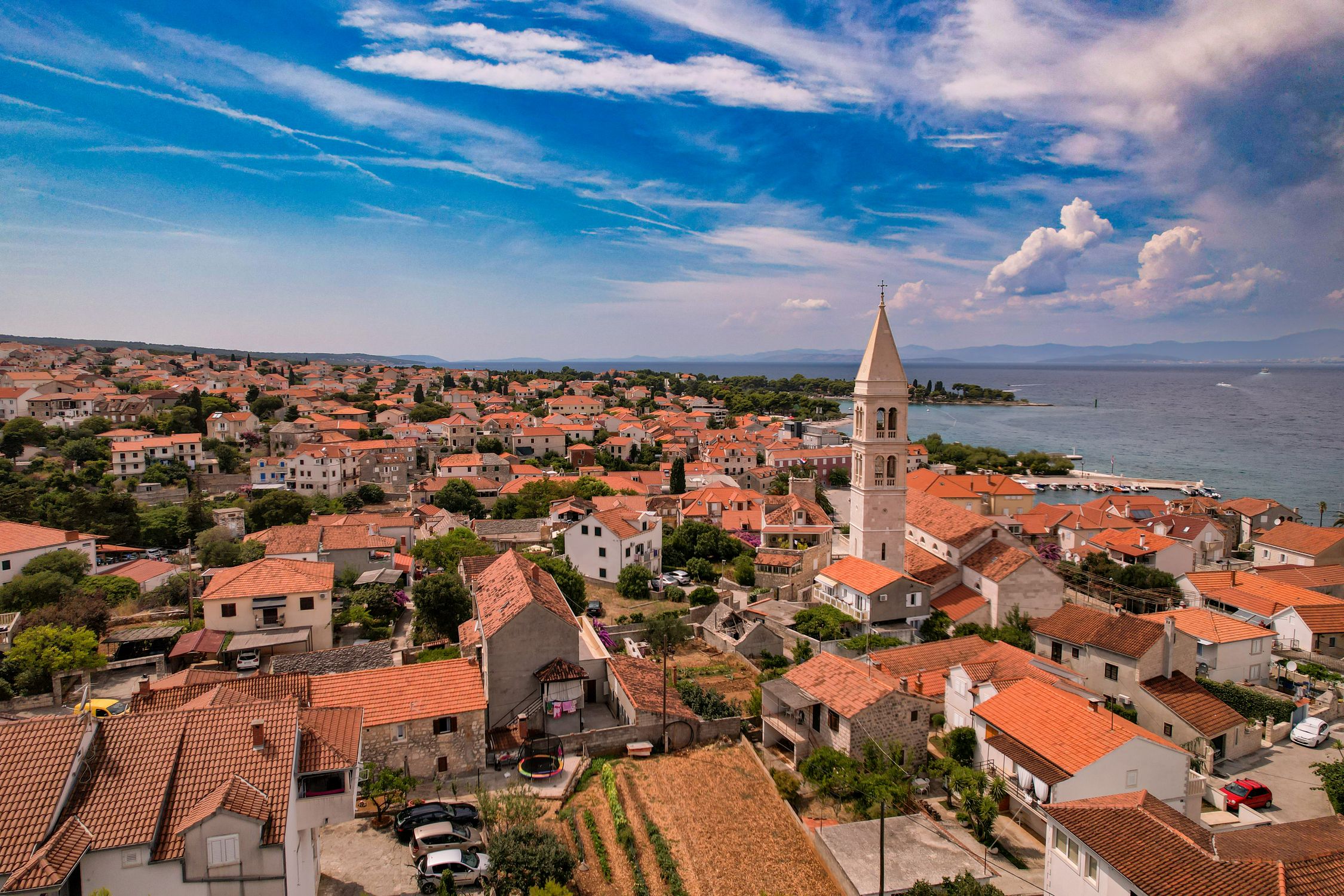
Croatian law mandates third-party liability insurance; it’s baked into every rental price and covers damage to other road users. Beyond that, most renters opt for a Collision Damage Waiver (CDW) - often marketed as “Super-CDW” - which reduces or eliminates the excess you’d otherwise owe after an accident. Theft Protection covers loss of the vehicle or its contents, Personal Accident Insurance covers medical costs for occupants, and Roadside Assistance packages add peace of mind for breakdowns on remote mountain passes inland from the coast road.
When you sign the contract, confirm the deductible (excess) amount and whether the CDW on offer is zero-excess or partial-excess. A zero-excess CDW usually adds EUR 10-20 per day to the base rate. If you already carry a comprehensive travel insurance policy, check whether it extends to rental cars before adding the agency’s own coverage on top - overlapping protection is a common way travelers pay twice for the same risk. Optional add-ons are sold separately by each agency, so request a full breakdown of what’s included before you agree to a final price at the desk rather than after you’ve already signed.
Road Realities on the Dalmatian Coast

Driving in Dalmatia blends smooth motorway stretches with winding coastal roads. Speed limits are 50 km/h in built-up areas and 90 km/h on open roads. The A1 motorway links the major hubs - Split, Zadar, and Dubrovnik - but every kilometre of it is tolled. Toll fees depend on distance traveled and vehicle class; you can pay with cash, credit or debit cards, or an ENC electronic tag obtained at most rental desks. During the summer months (June-August), a 10% surcharge is added to all tolls, so budget extra for high-season travel along the coastal motorway.
Parking in the historic centers of Dubrovnik, Split, and Zadar is tight, with free street parking generally restricted to residents. Municipal garages - typically a short walk from the main attractions - are the safest overnight option for a car loaded with gear, and arriving early in the morning improves your odds of finding street parking during the July-August peak. If you plan to explore trailheads such as Biokovo or Velebit, consider an SUV or compact van for the higher ground clearance and extra cargo space those routes reward.
Practical Tips for a Smooth Drive
- Book early. July and August fill up fast; securing your reservation two months ahead protects both availability and the lower end of the price bands above.
- Pick up at the airport. Split, Dubrovnik, and Zadar airports host the widest selection of agencies and often allow flexible early-checkout or late-return windows, which matters when your schedule is built around a ferry departure.
- Get an ENC toll tag. It speeds up motorway passages, cuts out cash queues, and automatically applies the seasonal surcharge so you’re not left calculating it by hand.
- Fuel up before leaving a city. Croatian pumps are plentiful in urban areas but sparser along remote coastal stretches between towns.
- Carry a spare tyre kit. Mountainous inland sections are rougher on tyres, and roadside assistance can take time to reach you off the main coastal road.
- Choose unlimited mileage. Even a modest 600 km coastal loop can trigger per-kilometre fees on a capped-mileage contract, so unlimited mileage removes that risk entirely.
- Check parking signage carefully. Blue-zone paid parking and white-zone resident-only parking look similar at a glance; municipal garages are the more predictable option and generally accept card payment.
- Budget the seasonal toll surcharge. The 10% summer addition on tolls is easy to forget when you’re pricing a trip off an off-season toll estimate.
Common Mistakes to Avoid
- Assuming the base rate includes full insurance. Mandatory third-party liability is covered, but CDW, theft, and personal accident protection are optional extras that can add EUR 15-30 per day once you select them.
- Skipping the fuel-policy review. A “full-to-empty” deal can look cheap upfront but often results in higher refueling charges once you’re back at the rental desk.
- Forgetting the young-driver surcharge. Renters under 25 will see a daily addition of EUR 15-30; leaving it out of your budget can quietly blow past what you planned to spend.
- Relying on cash for tolls. Cash is accepted, but queues at toll plazas can cost you real time in peak season - an ENC tag moves faster and avoids the risk of missing a toll altogether.
- Parking in the wrong zone. Historic-center parking rules in Dubrovnik, Split, and Zadar are strictly enforced; always check signage before you leave the car for the day.
- Skipping the pre-rental inspection. Photograph any existing scratches or dents before you drive off - it’s the simplest protection against a disputed damage claim at return.
Frequently Asked Questions
Is the EUR 25-40/day off-season rate realistic for a summer trip? No - that band applies specifically to the off-season. In peak summer, the same economy class runs EUR 40-90/day, and booking early is the main lever you have to land toward the lower end of that range rather than the top.
Do I need an ENC tag, or can I just pay tolls in cash? Cash works everywhere on the A1, so an ENC tag isn’t mandatory. It’s a convenience purchase that saves time at toll plazas during peak season and automatically handles the summer surcharge calculation for you.
Is a 2WD sufficient for the whole Dalmatian Coast route? For the coastal drive itself, yes - the A1 and coast road are standard sealed motorway and highway. An SUV only becomes worth the extra cost if you’re specifically heading inland to trailheads like Biokovo or Velebit, where the added clearance matters.
What’s the biggest hidden cost on a Croatia rental? Between the young-driver surcharge, the summer toll surcharge, and CDW add-ons, the gap between an ultra-low headline rate and the real out-the-door price can be substantial - which is exactly why the $6.09/day Split Airport rate needs a second look at what it actually includes before you book it.
Does it matter which airport I pick up from - Split, Dubrovnik, or Zadar? All three carry the same core rules - the same age thresholds, the same mandatory third-party liability, the same tolled A1 motorway if your route uses it. The practical difference is selection: airport branches at all three generally offer a wider vehicle-class range than city-center locations, so compare live availability at your specific arrival airport through an aggregator rather than assuming the roster is identical everywhere.
Related Reading
Get price-drop alerts and new guides from BoldTripGuide
One email a week: price drops on the gear we recommend, new guides, and what changed. No spam, unsubscribe anytime.