Car Rental Guide for the Scottish Highlands NC500 2026
Essential 2026 guide to renting a car for Scotland's North Coast 500: driver rules, price bands, insurance, road realities, and packing tips.

This post may contain affiliate links. Disclosure
The North Coast 500 has become Scotland’s answer to Iceland’s Ring Road: 518 miles of rugged coastline, mist-clad glens, and towering Munros looping out from Inverness. In 2026 the route keeps pulling in road-trippers, photographers, and Munro-baggers, and every one of them needs a reliable set of wheels to handle single-track passes, sparse fuel stations, and weather that can turn in an hour. This guide skips the fluff and gives you the numbers that matter: driver requirements, real price bands by vehicle class, what your insurance covers, the road realities that catch first-timers out, and the timing and packing details that keep you moving instead of stranded.
Short answer: The NC500’s minimum rental age is 23, with the licence held at least a year and a credit card in the driver’s name for the deposit. Most visitors need no International Driving Permit. Economy cars start around $20-30 a day, and a compact hatchback suits the single-track western sections best.
Driver Requirements and Documentation
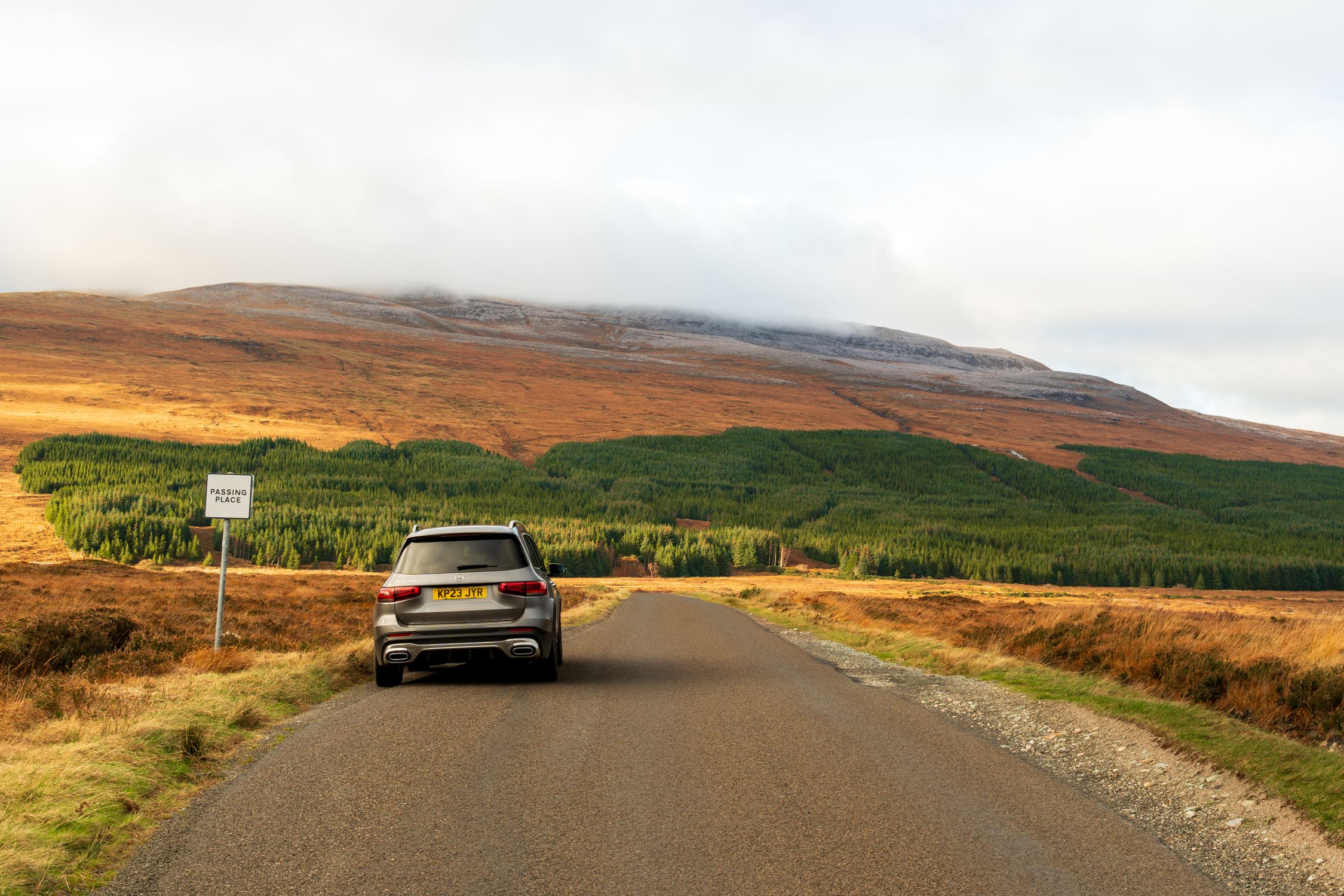
Renting a car for the NC500 is straightforward once you clear a few non-negotiable thresholds. The minimum rental age is 23, and you need to have held a full driver’s licence for at least one year - a rule confirmed by NADICS and enforced uniformly by the major suppliers operating around Inverness: Hertz, Enterprise, Avis, Sixt, and Budget. None of these operators will hand over the keys to a driver who falls short on either number, so check your licence issue date before you book rather than at the counter.
An International Driving Permit is not required for the majority of visitors, per NADICS - a licence issued in your home country is sufficient as long as it’s valid and current. What is mandatory, across every supplier, is a credit card in the driver’s name for the security deposit. Some companies place a pre-authorisation hold worth several hundred dollars, so make sure your card has enough available credit before you arrive at the desk; a card that’s close to its limit is one of the more common reasons travelers get turned away.
Beyond the paperwork, plan for the reality of the route itself. Keep a printed copy of your reservation and a paper road atlas in the glovebox - mobile signal vanishes for long stretches through Sutherland and Wester Ross, and a phone with no bars and a dead map app is no help when you need to find the next junction. None of the five suppliers above differ meaningfully on age or licence rules, so the decision that actually moves the needle is vehicle class, not which desk you rent from.
Choosing the Right Vehicle and Daily Rates

The NC500’s charm is also its biggest constraint: much of the western half runs on single-track roads with passing places, so vehicle size matters more here than on almost any other UK road trip. Best Car Hire recommends a compact hatchback or small crossover for most of the loop - big enough for hiking gear and camera bags, small enough to duck into a passing place without a three-point turn.
Price bands (in USD per day) from the most recent snapshot look like this:
| Class | Typical Daily Rate |
|---|---|
| Economy | $20 (Europcar) - $28-$30 (Enterprise) |
| Compact | $36-$38 (Enterprise) |
| Intermediate | $38-$42 (Enterprise) |
| Full-size SUV | $68 (Enterprise) |
Both headline numbers come from KAYAK: Enterprise’s economy rate of $28 (roughly GBP 20) and Europcar’s low of $20.15. Rates are quoted in USD, and the GBP conversion will shift with the exchange rate, but the relative spread between classes holds steady - a full-size SUV runs more than double an economy car, which matters when you’re deciding whether extra ground clearance is worth the daily hit on a route that rarely needs it.
If you’d rather compare every supplier side by side instead of price-checking one at a time, the aggregator DiscoverCars pulls real-time listings from Hertz, Avis, Sixt, Budget, and the two low-cost options above in a single search. Run that search early in your planning window - Highland demand spikes hard in summer, and the lower end of these price bands disappears first.
Insurance Basics: What’s Included and What to Add

UK law requires third-party liability insurance on every rental, and it’s already baked into the base rate you see at checkout - you’re covered against claims from other road users the moment you drive off the lot. Everything past that baseline is optional, and on single-track NC500 roads, “optional” is worth taking seriously:
- Collision Damage Waiver (CDW) - reduces what you owe if the vehicle is damaged. NADICS specifically advises treating an excess waiver (which lowers your deductible closer to zero) as essential on this route, since a minor scrape against a dry-stone wall on a blind bend can turn into a costly repair bill fast.
- Theft Protection - covers loss or damage from break-ins, worth adding if you’re planning to leave the car in remote lay-bys overnight rather than a monitored car park.
- Personal Accident Insurance (PAI) - an optional layer covering medical costs for you and your passengers.
- Winter tyres or snow chains - not a separate insurance product but a vehicle preparation step; many suppliers fit winter-rated tyres for an extra fee between November and March.
All of these are presented as add-ons at the checkout desk, so decide before you’re standing at the counter under time pressure. NADICS’s guidance is blunt on this point: treat the CDW excess waiver as essential rather than optional, precisely because of how narrow and exposed the single-track sections are. A driver who skips it to save a few pounds a day is betting against the odds on a road built around blind bends and stone walls.
Road Realities on the NC500
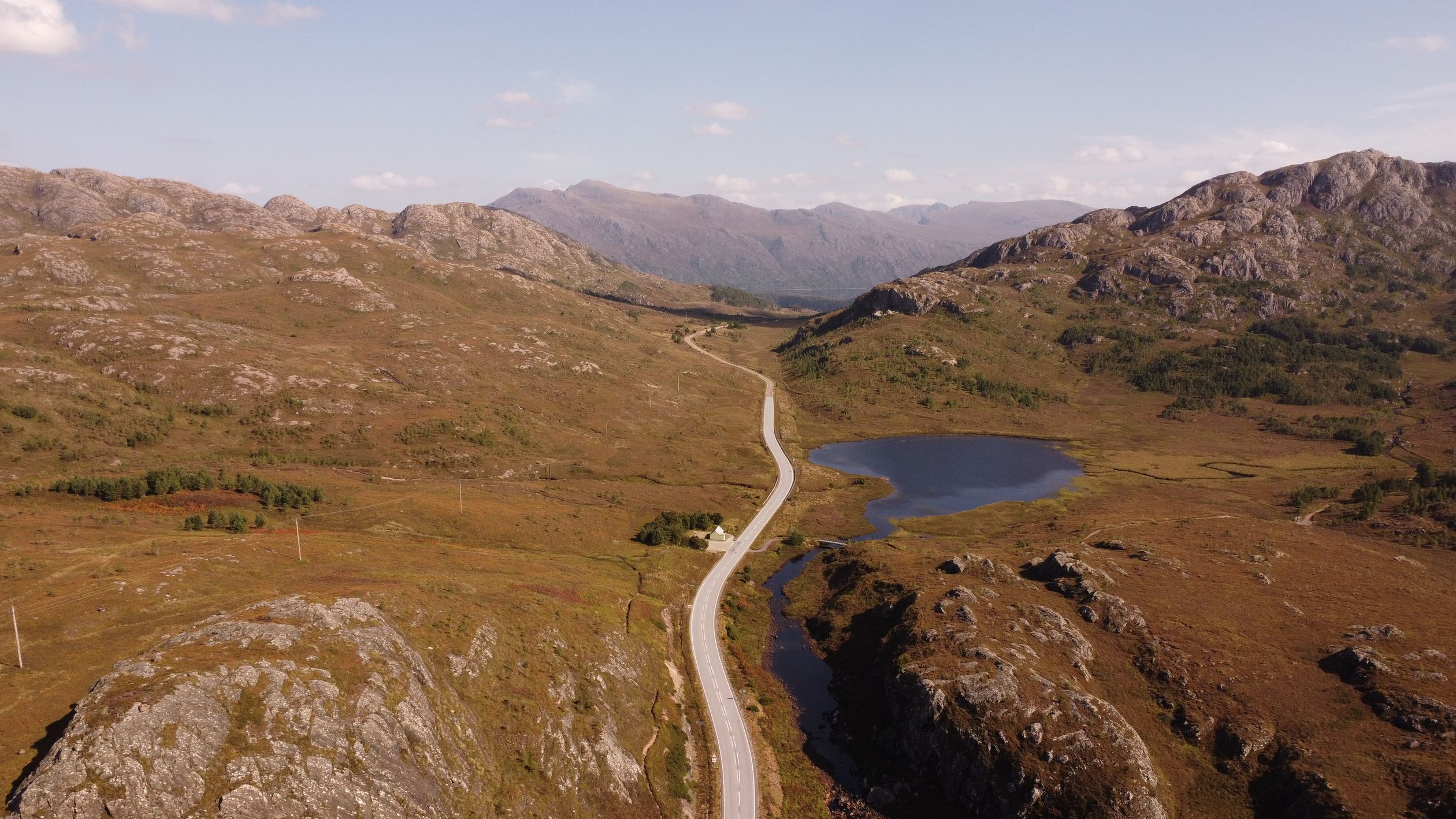
The NC500 rewards careful planning and punishes complacency. Single-track roads dominate the western half of the loop, broken up by passing places marked with white “Passing Place” signs - and Best Car Hire’s vehicle-size guidance exists precisely because a full-size SUV at $68/day struggles to squeeze past a parked car on a narrow bridge in a way a compact hatchback never will.
Fuel logistics deserve equal attention. North of Bonar Bridge, stations can sit 40 to 60 miles apart, so the safe habit is refuelling once the tank drops to half rather than waiting for the warning light - carry cash too, since some of the smaller, unmanned pumps in the far north don’t take cards reliably. Running low in the middle of Sutherland with the next forecourt closed for the night is a genuinely bad way to end a day of driving.
Mobile coverage drops out across several valleys, so download offline maps before you leave Inverness, and keep that paper road atlas as your backup, not an afterthought. There are no major tolls on the NC500 itself, though a handful of bridge fees exist elsewhere in Scotland - the Skye Bridge, for instance, sits outside the loop and isn’t something NC500 drivers need to budget for.
For live conditions - closures, weather warnings, temporary restrictions - check Traffic Scotland each morning before you set out. Their feed catches things a static guidebook can’t, and it can save you a detour you’d otherwise only discover at the roadblock itself.
Timing, Packing, and Practical Tips
Start each day early. Popular passing places and pull-offs - the Bealach na Ba hairpin is the classic example - fill up by mid-morning, and an early departure also buys you the buffer to reach fuel stops before they shut for the night.
May and September hit the sweet spot for this route: long daylight hours, milder temperatures, and noticeably thinner crowds. Best Car Hire also flags a practical upside to the shoulder months - less exposure to the sudden summer rainstorms that can turn a single-track stretch slick with almost no warning.
If you’re driving between November and March, fit winter-rated tyres or carry snow chains; the western coastal stretch can pick up sudden snow drifts, and a chain-ready vehicle is the difference between continuing on the A837 when it’s been cleared and sitting in a queue behind a car that isn’t equipped.
Budget 7 to 10 days for the full loop. Best Car Hire notes most drivers need that window to work in the hikes, distillery stops, and photo breaks that make the NC500 worth doing slowly rather than as a straight-through drive. Trying to compress it into a long weekend usually means skipping the detours that make the route worth driving in the first place.
Pack light but smart: a reusable water bottle, a genuinely waterproof jacket (not just water-resistant), and a compact first-aid kit cover most of what goes wrong on a multi-day loop. Cash still matters at rural pumps - a GBP 20 note covers a full tank in most places, and you don’t want to be the car holding up the queue at a pump that doesn’t take contactless.
Common Mistakes to Avoid
- Choosing an oversized SUV. The extra height and width turn every passing place into a three-point-turn exercise, and fuel consumption climbs with it.
- Skipping the CDW excess waiver. A minor scrape on a stone wall without it can leave you facing a bill worth several hundred dollars.
- Relying solely on mobile GPS. Signal dead zones turn a phone screen blank at the exact moment you need it; a paper atlas costs nothing and never loses signal.
- Running the tank low. With 40-60 mile gaps between stations north of Bonar Bridge, a half-tank refuel policy is the difference between a smooth day and an unplanned night in a lay-by.
- Ignoring the seasonal tyre requirement. Winter tyres or chains aren’t optional between November and March - driving without them risks both a fine and genuinely unsafe handling on icy passes.
Get these five things right and the NC500 delivers exactly what draws people to it in the first place: 518 miles of some of the most dramatic scenery in the United Kingdom, without the costly detours that catch unprepared drivers out.
Frequently Asked Questions
Do I need an International Driving Permit for the NC500? Not for most visitors. NADICS confirms a standard licence issued in your home country is sufficient. Where things get more complicated is a licence that isn’t printed in the Roman alphabet - in that case, arrange the paperwork before you leave rather than assuming a rental desk in Inverness can sort it out on the spot.
What’s the real difference between an economy and an intermediate rental? On paper, it’s roughly $10-$12 a day - Enterprise’s economy sits at $28-$30 while its intermediate class runs $38-$42. On the road, the bigger difference is width: an intermediate car still clears the single-track sections fine, but every extra inch matters when you’re threading a passing place on a blind bend, so most drivers are better served sizing down rather than up.
Is a full-size SUV ever worth the $68/day rate? Only if you specifically need the cargo space - camping gear for a full loop, say, or photography equipment that won’t fit in a hatchback’s boot. For the driving itself, Best Car Hire’s guidance holds: a compact or small crossover handles the NC500’s single-track sections with far less stress than anything larger.
When should I book to get the lower end of the price bands? Book early. Highland demand climbs sharply through the summer months, and the cheapest slots in each vehicle class - the Europcar economy rate especially - go first.
Do I need snow chains if I’m only driving in summer? No. The winter-tyre and chain guidance applies specifically to the November-to-March window, when the western coastal stretch can see sudden snow drifts. Outside that period, the main things to plan around are fuel gaps and mobile signal, not cold-weather equipment.
What’s the single biggest planning mistake first-timers make? Underestimating how long the loop takes. Best Car Hire’s 7-10 day recommendation exists because the NC500 isn’t a highway you drive through - it’s a route built around stopping, and drivers who try to compress it into three or four days end up skipping the distillery visits, hikes, and photo stops that are the entire point of choosing this route over a faster A-road alternative.
Related Reading
Get price-drop alerts and new guides from BoldTripGuide
One email a week: price drops on the gear we recommend, new guides, and what changed. No spam, unsubscribe anytime.