Car Rental Guide Tasmania 2026: Costs, Roads & Tips
2026 guide to renting a car in Tasmania: price bands, driver requirements, insurance options, road conditions, and practical tips for a self-drive trip.

This post may contain affiliate links. Disclosure
Tasmania’s dramatic coastlines, rugged highlands, and well-preserved wilderness make it a self-drive playground, especially in the 2026 shoulder season when crowds thin and daylight stretches. With two major rental hubs - Hobart and Launceston - plus a handful of regional outlets, you can pick up a vehicle and head straight onto the Tasman Highway or into the wilds of the Central Highlands. This guide strips away the fluff: what licence you need, how much each vehicle class costs, what the insurance actually covers, which roads demand caution, and the on-the-ground tips that keep you safe and on schedule.
Short answer: Redspot, Tasmania’s main operator, requires a licence held at least two years, a minimum age of 21, and a credit card for the deposit; drivers aged 21-24 pay a daily surcharge. Economy models average AUD $24 a day, though RoadGenius puts all-in average daily spend nearer AUD $129 across every class.
Driver Requirements and Documentation
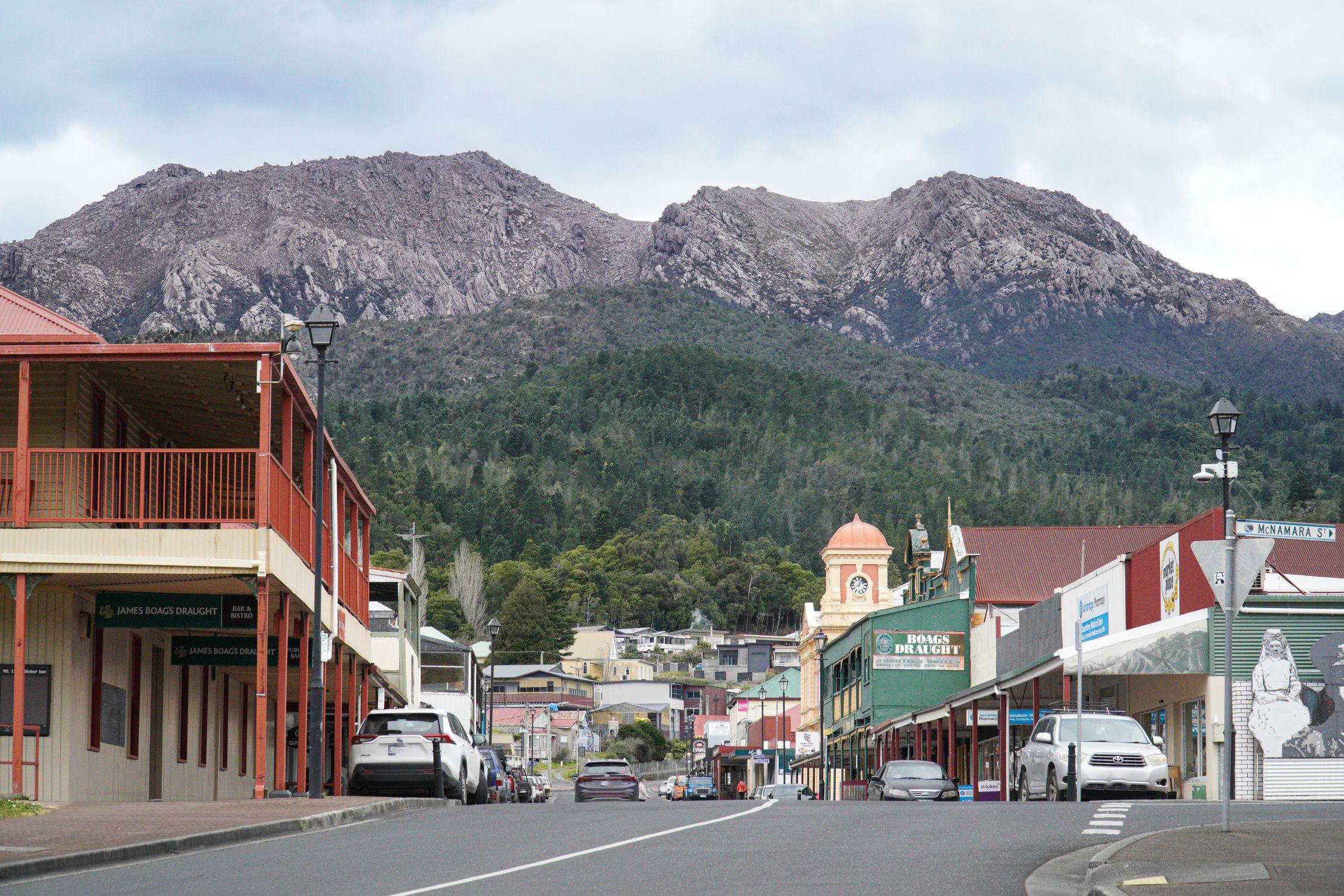
Before you scan the QR code at the rental desk, make sure you meet Tasmania’s baseline criteria. Redspot Car Rentals - which operates out of Hobart and Launceston - requires a valid driver’s licence held for at least two years and a minimum age of 21. Drivers aged 21 to 24 incur a daily young-driver surcharge under Redspot’s policy, so factor that into your budget if you fall in that bracket; there’s no way around it at the desk, only around it by waiting until 25.
A credit card in the renter’s name is mandatory for the security deposit - Redspot doesn’t accept cash or debit for this purpose, and neither does the broader Australian rental market. If your licence isn’t printed in the Latin alphabet, the Tasmania tourism car-hire guide is clear that you’ll need an English translation to go with it; an International Driving Permit is a common way international visitors satisfy this, though the translation requirement stands regardless of whether you’re carrying one. For a quick cross-check on age rules elsewhere in Australia, the Avis renter-requirements page is a useful reference point before you commit to a specific supplier.
Zip Auto Rentals is the other major name operating across multiple Tasmanian locations, and it’s worth checking both providers’ current terms before booking, since young-driver surcharges and deposit policies can shift from season to season even when the headline age rule doesn’t.
None of this paperwork is unusual by international standards, but the two-year licence tenure requirement is worth double-checking against your own licence issue date well before you fly - it’s a harder rule to work around than the age minimum, since a company can’t waive tenure the way it sometimes negotiates on a borderline surcharge. If you’re traveling with a partner or friend who’s held their licence longer, consider whether it makes sense for them to be the primary named driver instead.
Costs by Vehicle Class
Pricing in Tasmania stays competitive thanks to a modest market and the absence of toll roads. According to a recent KAYAK snapshot for Launceston, an economy model such as a Mitsubishi Mirage averages AUD $24 per day (about USD $16). Compact cars like the Hyundai i20 sit between AUD $20-$26 (about USD $13-$17) - notice that the compact band actually dips below the economy average in this snapshot, which is a reminder to check live pricing rather than assume vehicle class maps neatly onto cost. If you need extra ground clearance, SUVs such as the Toyota RAV4 range from AUD $30-$49 (about USD $20-$32).
RoadGenius reports a broader average daily spend of AUD $129 across all vehicle classes island-wide, a figure that folds in taxes and typical fees rather than the bare rental rate - useful as a sanity check if a quote looks unusually low or high once everything is added up. Unlimited kilometres are standard on Redspot packages, so mileage itself won’t eat into your budget the way it can with capped-mileage rentals elsewhere.
When you’re ready to compare offers, the aggregator DiscoverCars pulls real-time rates from both Redspot and Zip Auto, letting you lock in a rate before you touch down rather than shopping at the counter after a long flight.
| Class | Example Model | Typical Daily Rate |
|---|---|---|
| Economy | Mitsubishi Mirage | AUD $24 (~USD $16) |
| Compact | Hyundai i20 | AUD $20-$26 (~USD $13-$17) |
| SUV | Toyota RAV4 | AUD $30-$49 (~USD $20-$32) |
| Island-wide average (all classes) | - | AUD $129 (~USD $85) |
The gap between the class-specific rates and the island-wide average is worth sitting with for a second: if you’re booking an economy or compact car out of Launceston, you’re likely tracking well below the AUD $129 figure, which is pulled from a broader mix that includes pricier vehicle categories and peak-season bookings elsewhere on the island. Treat the class-specific KAYAK numbers as your real budgeting baseline and the RoadGenius average as a wider-market reference point, not the number you should expect to pay for a compact hatchback in the shoulder season.
Insurance Options Explained

Australian rentals bundle a base insurance layer that caps your out-of-pocket liability at a damage excess of AUD $5,200-$6,200, GST-inclusive, under Redspot’s standard policy. That number sounds alarming until you understand what it actually is: a ceiling on what you’d owe in a worst-case scenario, not a fee you pay upfront. If you’d rather not carry that exposure at all, Redspot’s Executive package brings the excess down to $0 and layers in optional windshield and headlight coverage on top.
All Redspot plans include unlimited kilometres regardless of which insurance tier you choose, so that part of the budget stays fixed no matter how you handle the excess question. One detail worth remembering: the excess only applies after any deductible is accounted for, and damage beyond the excess ceiling remains your responsibility, so don’t treat the standard package as a hard cap on worst-case cost. If you already carry personal car insurance or a credit-card travel policy, check the fine print before adding Redspot’s own coverage on top - overlapping protection is a common way renters pay twice for the same risk. Full current terms are available directly on Redspot’s Tasmania page.
The practical question most travelers actually need answered is which tier makes sense for their route. A trip confined to the Hobart-Launceston corridor on sealed highway carries meaningfully less risk than a West Coast loop through gravel sections and wildlife-heavy rural roads at dawn or dusk - so treat the excess decision as tied to your itinerary, not a fixed choice you make once and forget.
Road Realities and Seasonal Hazards
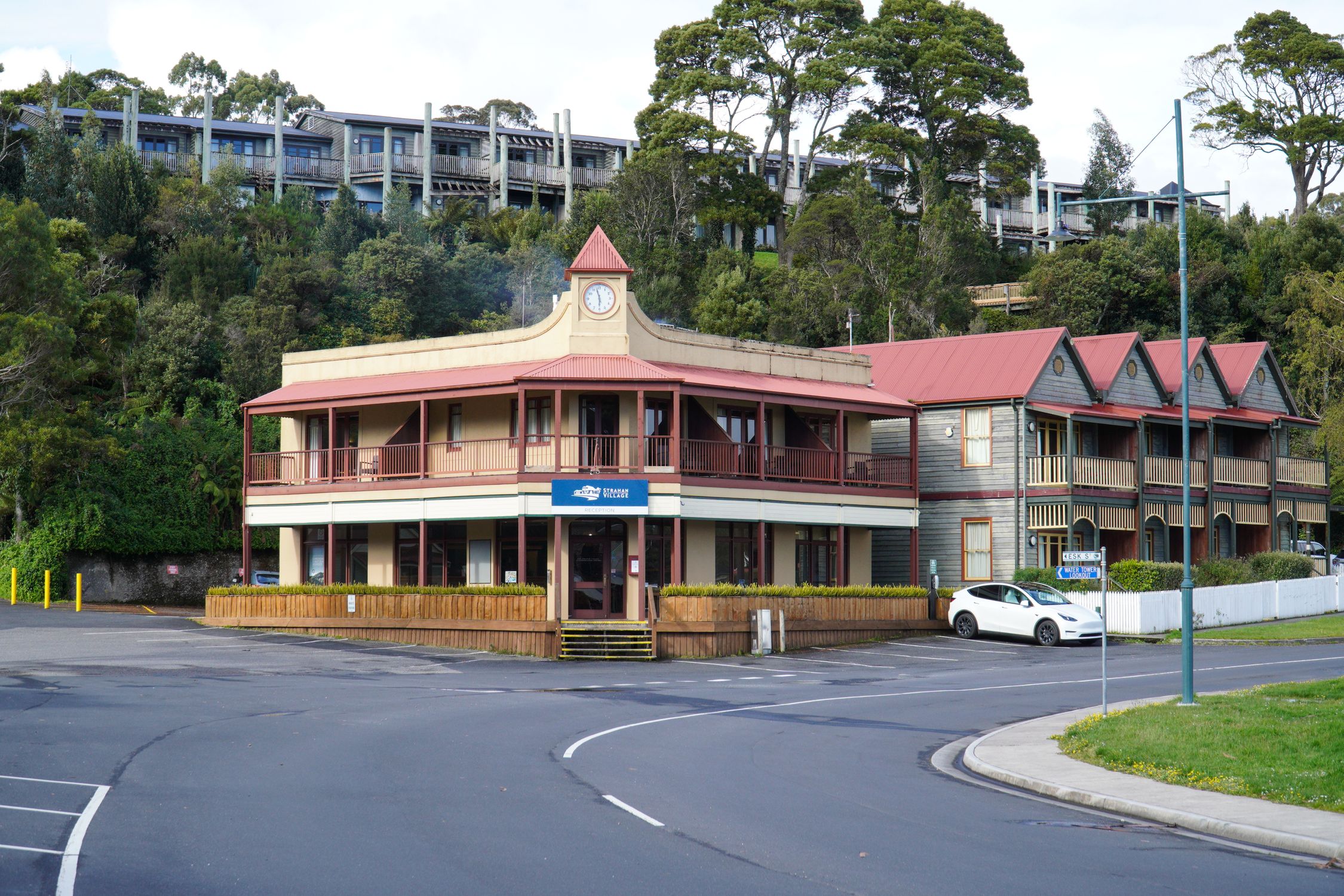
Tasmania’s state road network is toll-free, so fuel and parking are your only direct driving costs beyond the rental itself - a meaningful difference from mainland routes that fold toll charges into the daily budget. That said, the island’s geography creates a patchwork of sealed highways and gravel or unsealed sections, especially on the West Coast and through the Central Highlands, per the Department of State Growth’s road-projects information. Drivers should stay in a low gear on steep descents on these stretches and build in extra time rather than driving to a fixed schedule.
Winter brings icy patches on mountain passes such as the route to Cradle Mountain; State Growth’s safety guidance points toward carrying chains and checking road-safety alerts before you commit to a highlands route in the colder months. Rural routes also see heightened wildlife activity at dawn and dusk, which is less about legal requirements and more about basic collision risk - a kangaroo or wallaby crossing at speed on a gravel road is one of the more common ways a Tasmanian road trip goes wrong.
Zip Auto Rentals’ regional locations are worth checking if your route concentrates on the West Coast rather than the main Hobart-Launceston corridor, since pickup and drop-off logistics differ meaningfully between the two providers depending on which part of the island you’re covering.
Practical Driving Tips

- Coastal route: Take the Tasman Highway (A3) from Hobart toward Freycinet for uninterrupted ocean views and straightforward access to the Freycinet National Park area.
- Westward to Cradle Mountain: Depart early, check the State Growth road-closure page beforehand, and budget extra time for the unsealed stretches you’ll hit along the way.
- Wildlife safety: Aim for mid-morning or midday drives where possible, and stay especially alert during early-morning or late-afternoon windows when animal movement peaks near dusk and dawn.
- Fuel planning: Service stations are plentiful on the main highways but sparse once you’re into the remote highlands, so fill up whenever you pass a pump rather than waiting until the tank runs low.
- Navigation: Offline maps are essential on gravel sections, where mobile signal is unreliable at best.
The RoadGenius average cited earlier is a useful gauge for whether a higher-end SUV is worth the extra daily cost for comfort on rougher roads - if your route is mostly sealed highway, the case for paying up weakens considerably. A spare tire, a basic tool kit, and a portable charger in the boot are cheap insurance against the unexpected on longer highland or West Coast legs.
Common Mistakes to Avoid
- Skipping the surcharge check. Young drivers between 21 and 24 often overlook the daily fee, which inflates the final bill more than expected once it’s added up over a full trip.
- Assuming unlimited mileage everywhere. Redspot includes it as standard, but other providers may cap kilometres, so read the fine print before you assume it applies across the board.
- Neglecting winter chains. Mountain passes can close without them, turning a planned Cradle Mountain day into a costly, time-consuming detour.
- Relying solely on GPS. Rural Tasmania’s mobile signal fades fast; carrying paper maps or downloading offline routes in advance avoids the problem entirely.
- Driving unsealed roads without dropping into low gear. This overheats brakes and stresses the transmission in ways that don’t show up until later in the trip.
Frequently Asked Questions
Is Redspot or Zip Auto the better choice for a West Coast-heavy itinerary? It depends on where you’re picking up and dropping off. Redspot’s main strength is its Hobart and Launceston coverage with unlimited kilometres built in; Zip Auto’s value is its spread across multiple Tasmanian locations, which can matter more if your route skews toward the West Coast rather than the two main hubs.
Do I really need the Executive insurance package? Only you can weigh that against your own risk tolerance, but the math is straightforward: the standard package caps your liability at AUD $5,200-$6,200, while Executive brings that to zero for an added daily cost. On gravel roads through the Central Highlands, where a stone chip or a wildlife strike is a real possibility, the zero-excess option removes a meaningful amount of financial uncertainty.
Why is the RoadGenius average so much higher than the KAYAK economy rate? Because they’re measuring different things. KAYAK’s AUD $24/day figure is a specific economy-class snapshot for Launceston; RoadGenius’s AUD $129 average blends every vehicle class island-wide along with taxes and fees. Use the class-specific numbers to budget your actual rental and the broader average only as a sanity check.
Are toll roads a factor anywhere in Tasmania? No. The state road network is entirely toll-free, which is one of the more straightforward parts of budgeting for a Tasmanian trip compared with mainland Australia or many international routes.
What’s the most common reason travelers get caught out on the West Coast? Underestimating unsealed road sections. They’re common on the West Coast and in the Central Highlands, and drivers who plan their day around sealed-highway travel times often arrive later than expected once gravel stretches slow them down.
Do I need a 4WD to reach Cradle Mountain or the West Coast? Not according to the road data - the main routes are sealed highway with gravel stretches rather than dedicated 4WD tracks, and the guidance from State Growth centers on driving technique (low gear on descents, extra time on unsealed sections) rather than vehicle type. A standard SUV like the Toyota RAV4 covers the extra ground clearance most travelers actually want without paying for a dedicated off-road rental.
Related Reading
Get price-drop alerts and new guides from BoldTripGuide
One email a week: price drops on the gear we recommend, new guides, and what changed. No spam, unsubscribe anytime.